Mmr Vaccine 101: Schedule, Effectiveness, And Safety For Children And Adults

There’s a quiet triumph in knowing you’re protected from diseases most of us have never seen. Thanks to vaccines like the MMR, parents can send their children to school withou...
There’s a quiet triumph in knowing you’re protected from diseases most of us have never seen. Thanks to vaccines like the MMR, parents can send their children to school without fearing a measles outbreak, and adults can travel or work in healthcare with confidence. This shot is a cornerstone of public health that quietly safeguards millions, allowing us to enjoy full classrooms, bustling offices, and family reunions without the shadow of preventable illness.
The MMR vaccine’s key purpose is to shield against three highly contagious viruses: measles, mumps, and rubella. Measles can cause severe pneumonia and brain swelling; mumps can lead to deafness or painful orchitis; and rubella in pregnancy can cause devastating birth defects. By getting vaccinated, you aren’t just protecting yourself—you are building a barrier that stops these infections from reaching those who are medically vulnerable, like infants or chemotherapy patients.
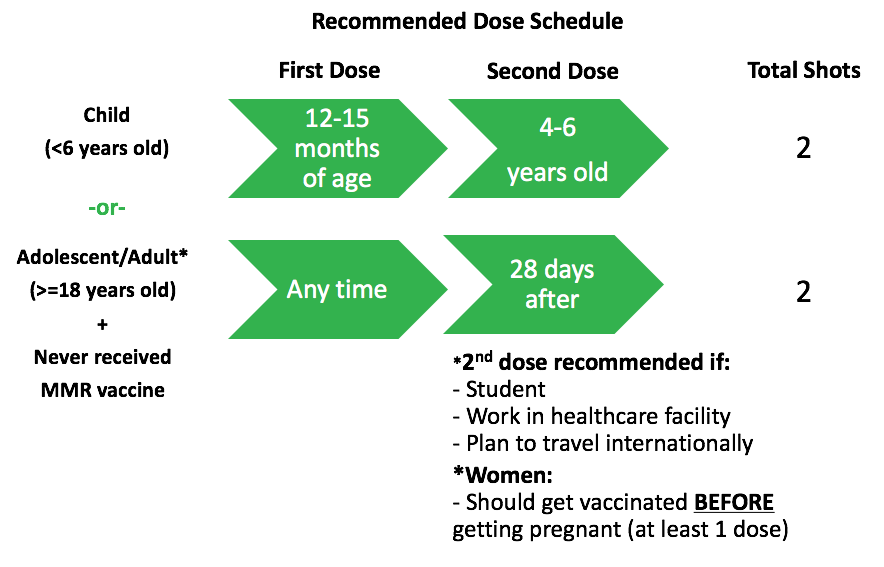
The schedule is straightforward and backed by decades of study. Children receive the first dose between 12 and 15 months of age, with a second booster between ages 4 and 6. For adults, especially those born after 1957 who lack evidence of immunity, a single dose is often recommended. This two-dose series is 97% effective at preventing measles and gives robust protection against mumps and rubella, dramatically reducing hospitalizations and outbreaks.
Must Read
Safety data is exceptionally robust. Over 50 years of use across more than 100 countries have shown that serious side effects are extremely rare. Mild fever or a faint rash may occur for a few days, but the risk of severe allergic reaction (anaphylaxis) is less than 1 in a million. The vaccine does not cause autism—this myth has been thoroughly debunked by multiple large-scale studies involving millions of children.
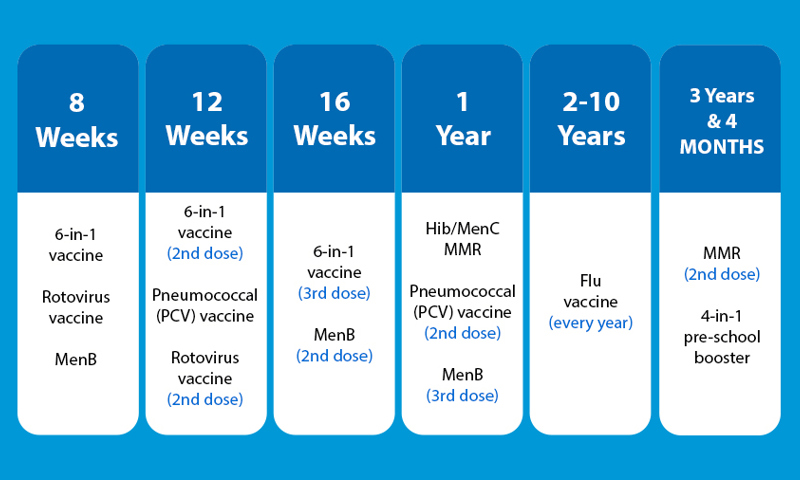 Childhood Immunisations - West Sussex County Council
For adults, the benefits extend into everyday life. Imagine planning an international trip without worrying about catching measles on a crowded flight. Or consider a teacher who works with children: keeping your MMR status current means fewer sick days and zero guilt if a local outbreak occurs. Many colleges and employers now require proof of vaccination, making a simple booster a smart step for career and travel freedom.
To explore this on your own, start by checking your own or your child’s immunization record. If you’re unsure, ask your doctor for a simple blood test to check for antibodies. For adults, a single booster is generally safe even if you were vaccinated before. Finally, talk to a pharmacist—many can administer the MMR vaccine on the spot, making it easier than ever to build durable protection for you and your community.