Measles Public Health Response: Contact Tracing, Post-exposure Prophylaxis, And Alerts

Welcome to the surprisingly dynamic world of public health detective work! You might think that the word measles brings to mind only old textbooks and forgotten childhood illn...
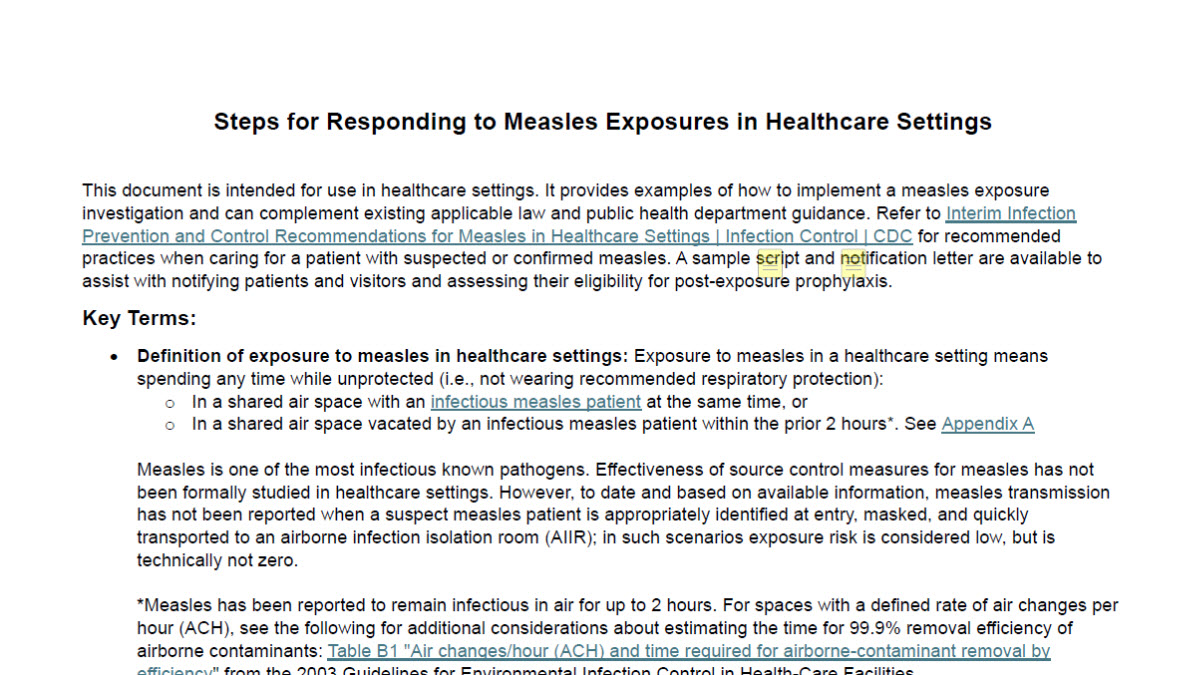
Welcome to the surprisingly dynamic world of public health detective work! You might think that the word measles brings to mind only old textbooks and forgotten childhood illnesses, but the response to a single case is actually a fascinating, fast-paced puzzle. Think of it as a real-life game of connect the dots—one that keeps entire communities safe. Understanding this process is not just for doctors; it shows how a little bit of smart tracking can stop a chain reaction in its tracks.
When a measles case appears, the first step is contact tracing. This isn't about blaming anyone; it’s about creating a map of memory. Public health workers gently ask: “Where have you been in the last few days?” They’re looking for everyone you might have breathed near—a grocery store aisle, a waiting room, a school classroom. Imagine them as friendly time-travelers, figuring out exactly who needs a heads-up to stay safe. The goal is simple: find the exposed people before the virus finds them.
Once contacts are found, the clock starts ticking for post-exposure prophylaxis (PEP). If you’ve been exposed and aren’t vaccinated, this is your golden window. For most people, a dose of the MMR vaccine within 72 hours can stop the measles virus in its tracks. For those who can’t get the vaccine—like pregnant women or infants—doctors can use something called immunoglobulin, which gives an immediate boost of antibodies. It’s like calling in a SWAT team for your immune system before the bad guys can set up camp.
Must Read
Alerts are the public-facing part of the puzzle, and they are vital. When a case is confirmed, health departments issue clever, non-scare-based warnings. They might say, “A person with measles visited this particular coffee shop on Tuesday from 2 to 5 PM.” They don’t name names, but they give you a time and place. This lets anyone who was there check their vaccination record and watch for symptoms. It’s respectful, transparent, and empowers the community to act.
What if you want to be a hero in this story? The single most practical tip is to know your vaccine status. Check your childhood records, or ask your doctor for a simple blood test called a titer to see if you’re immune. If you’re unsure, getting another MMR shot is very safe. Also, if you ever get a call from public health because you were exposed, answer it. They are not trying to scare you; they are your allies in staying healthy.
 Measles: Post exposure prophylaxis protocol for urgent care and GPs
Beyond vaccination, you can practice simple awareness. If you live in an area with a current alert, pay attention to your body. Measles usually starts with fever, cough, and red eyes, followed by a tell-tale rash. The most powerful thing you can do is isolate quickly if you suspect infection—call ahead before visiting a doctor so they can prepare, protecting others in the waiting room. Your cooperation is the secret ingredient in the entire response.
Finally, remember that this system works best when we all play a small, thoughtful role. Contact tracing, vaccine shots, and public alerts may sound clinical, but they are really about compassion. They are a way of saying, “We see you, we care about your health, and together we can outsmart a very old virus.” So next time you hear about a public health alert, don’t worry—get informed and join the amazing team keeping everyone safe.

