Measles In Unvaccinated Communities: Why Outbreaks Start And Spread

Talking about measles outbreaks might not sound like a fun topic, but there’s something oddly satisfying about understanding how a simple, preventable virus works. This isn’t...

Talking about measles outbreaks might not sound like a fun topic, but there’s something oddly satisfying about understanding how a simple, preventable virus works. This isn’t just for public health nerds—it’s for anyone who loves a good puzzle. Why do outbreaks flare up in some communities and not others? The answer is surprisingly clear, and knowing it can help you make practical decisions, whether you’re a parent, a student, or just someone who wants to stay healthy. Think of it like learning why a campfire catches—once you see the sparks and fuel, it all clicks.
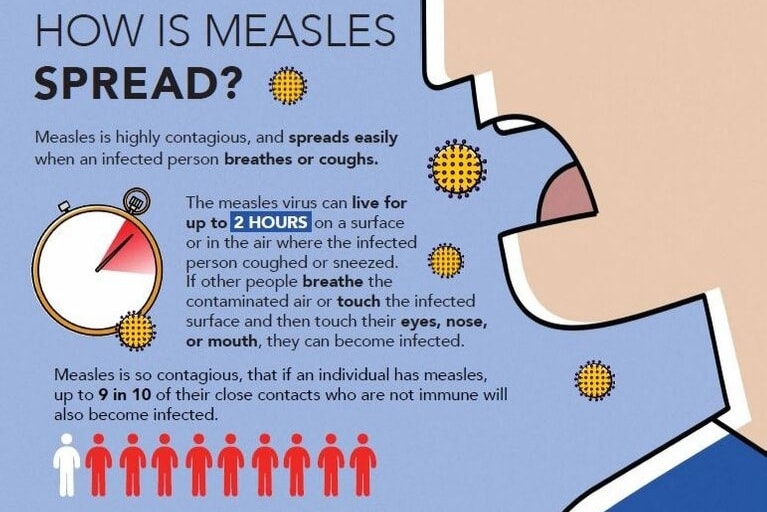
Measles is highly contagious. When it enters a community with low vaccination rates, it spreads like a rumor through a small town. The main reason? Not enough immune people to block the virus’s path. This is called “herd immunity.” For measles, about 95% of a population needs to be vaccinated to protect the vulnerable few—like infants or people with allergies to vaccines. Drop below that, and the virus finds a home.
Outbreaks often start with one traveler returning from an area where measles is common. They might cough in a grocery store, and within days, dozens of unvaccinated children and adults become sick. A classic example is the 2014–2015 Disneyland outbreak, where an unvaccinated visitor sparked 147 cases across the U.S. and Canada. It’s a stark reminder that contagion cares nothing about borders or sentiment.
Must Read
Why do some families choose not to vaccinate? It’s rarely simple. Some worry about vaccine safety, despite decades of research showing MMR is extremely safe and effective. Others rely on misguided beliefs about natural immunity. But the result is the same: pockets of susceptible people become fuel for a virus that can cause pneumonia, encephalitis, and even death.
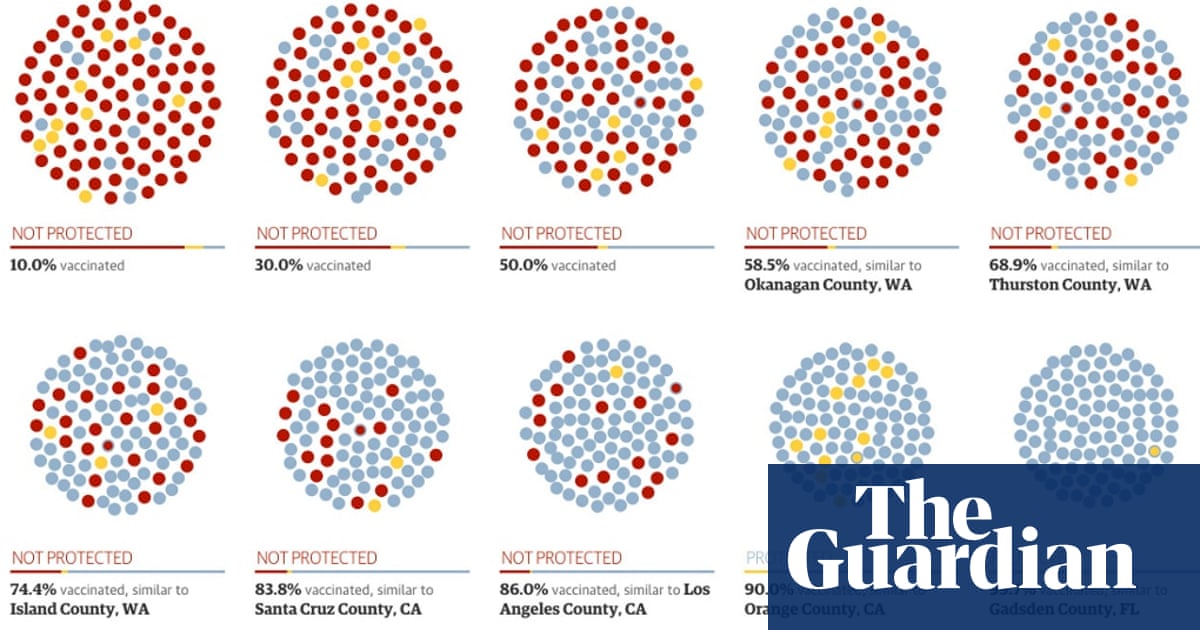 Watch how the measles outbreak spreads when kids get vaccinated – and
So, what can you do? First, check your own vaccination status—most adults born after 1957 likely had two doses of MMR. If you’re unsure, a blood test or a booster is easy and cheap. Second, if you’re traveling to an area with an outbreak, get vaccinated at least two weeks before you go. Finally, don’t rely on rumors. Talk to a doctor, not social media.
The beauty of understanding this is that it’s empowering. You aren’t helpless against outbreaks—you’re part of the solution. By staying vaccinated and informed, you help keep measles from ever starting that campfire. It’s simple, practical, and genuinely satisfying to know you’ve done your part.