America’s Military Space Shift Explained: How On-orbit Weapons Could Change Future Warfare

Imagine being an astronaut on the International Space Station, looking out the window and seeing a satellite hovering nearby, its intentions unknown. You might wonder, is this...

Imagine being an astronaut on the International Space Station, looking out the window and seeing a satellite hovering nearby, its intentions unknown. You might wonder, is this a friendly neighbor or a potential threat? It's a scenario that's becoming increasingly relevant, especially with the rise of on-orbit weapons that could change the face of future warfare.
But before we dive into the world of military space ops, let's take a step back and ask, what's the big deal about space, anyway? I mean, it's not like we're planning to invade Mars anytime soon (or are we?). The truth is, space has become a critical domain for military operations, and the US is shifting its focus to stay ahead of the game.
The New Frontier of Warfare
The US military has been exploring the use of space-based assets for decades, but recent advances in technology have made it possible to develop on-orbit weapons that can attack enemy satellites or even launch strikes against ground targets. It's a whole new ball game, and one that's raising eyebrows among military strategists and space enthusiasts alike.
Must Read
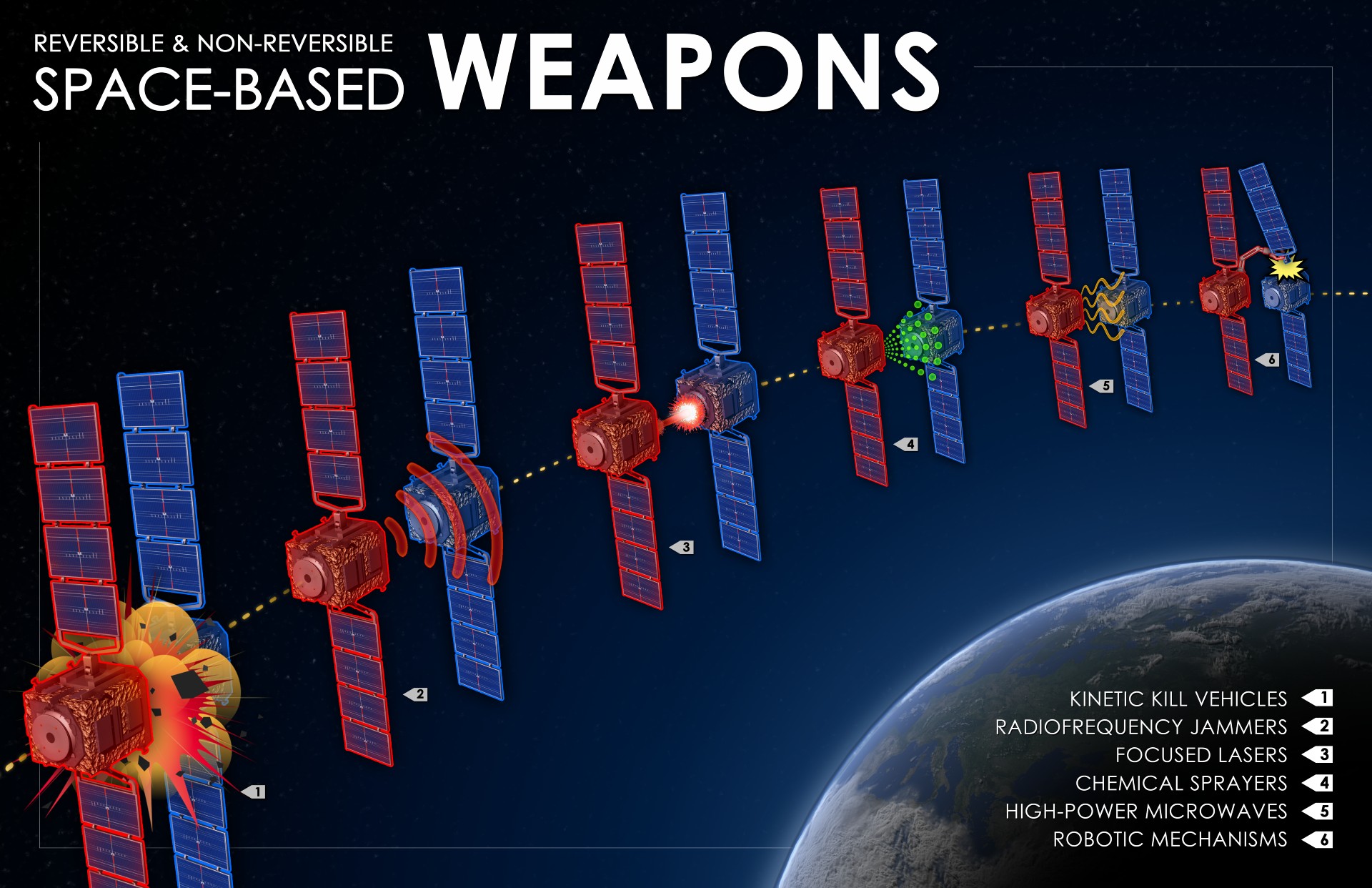
So, what exactly are on-orbit weapons, and how do they work? Simply put, these are systems that can be launched into space and then used to attack enemy satellites or other space-based assets. It's a bit like satellite-based missile defense, but instead of just defending against incoming missiles, these systems can take the fight to the enemy's doorstep.
A Game Changer for Future Warfare
The implications of on-orbit weapons are huge, and could potentially change the face of future warfare. Imagine being able to disable an enemy's communication or navigation satellites, giving your own forces a major strategic advantage. It's a scenario that's both exciting and unsettling, and one that's prompting military leaders to revisit their strategies and doctrines.
But as with any new technology, there are also risks and challenges associated with on-orbit weapons. For example, how do you ensure that these systems are used responsibly, and that they don't accidentally target friendly satellites or other non-combatant assets? It's a complex issue that's still being debated by experts and policymakers.
One thing's for sure, though: the US is not alone in its pursuit of military space capabilities. Other countries, like China and Russia, are also investing heavily in space-based assets and on-orbit weapons, which is raising the stakes in a potential future conflict. It's a bit like the old Cold War era, but instead of nuclear missiles, we're talking about space-based laser systems and cyber attacks.
So, what can we expect in the future? Will we see a new era of space-based warfare, with satellites and on-orbit weapons playing a major role? It's difficult to predict, but one thing's certain: the US military is taking the threat of space-based attacks very seriously, and is investing heavily in systems that can detect and respond to these threats.
 Forget the ISS: The U.S. Just Funded a $60M Space Force Orbital
The Challenge of Space Warfare
As we move forward into this brave new world of space warfare, there are many challenges that need to be addressed. For example, how do you establish rules of engagement for space-based assets, and how do you ensure that these systems are used responsibly and in accordance with international law? It's a complex and nuanced issue that's still being debated by experts and policymakers.
Another challenge is the issue of satellite congestion, with thousands of satellites and other space-based assets orbiting the Earth. It's a bit like trying to navigate a crowded highway, but instead of cars, you're dealing with high-speed satellites that can potentially collide or interfere with each other.
Despite these challenges, though, the US military is pushing forward with its plans to develop and deploy on-orbit weapons. It's a bold move, and one that's likely to have significant implications for the future of warfare. So, stay tuned, folks, as this story continues to unfold – it's going to be a wild ride!
As we conclude this journey into the world of military space ops, it's worth asking: what's the end game here? Are we looking at a future where space-based warfare becomes the norm, or will we find ways to regulate and constrain the use of on-orbit weapons? It's a question for the ages, and one that's still being debated by experts and policymakers.
One thing's certain, though: the US military's shift towards on-orbit weapons is a significant development that's likely to have far-reaching implications for the future of warfare. So, buckle up, folks, as we embark on this new frontier – it's going to be a wild and unpredictable ride!
