Kinetic Vs. Non-kinetic Space Weapons: The Potential U.s. Tools In Earth’s Orbit

Do you remember the movie "Space Jam" where Michael Jordan and the Looney Tunes team up to play a basketball game against a group of evil aliens? Well, it turns out that space...
Do you remember the movie "Space Jam" where Michael Jordan and the Looney Tunes team up to play a basketball game against a group of evil aliens? Well, it turns out that space isn't just for fun and games anymore. The US military is now considering using space weapons to protect its interests in Earth's orbit.
The idea of space warfare might sound like science fiction, but it's becoming a reality. With the increasing number of satellites in orbit, the risk of collisions and space debris is growing. The US military is looking for ways to counter these threats and protect its assets in space.
What are Kinetic and Non-Kinetic Space Weapons?
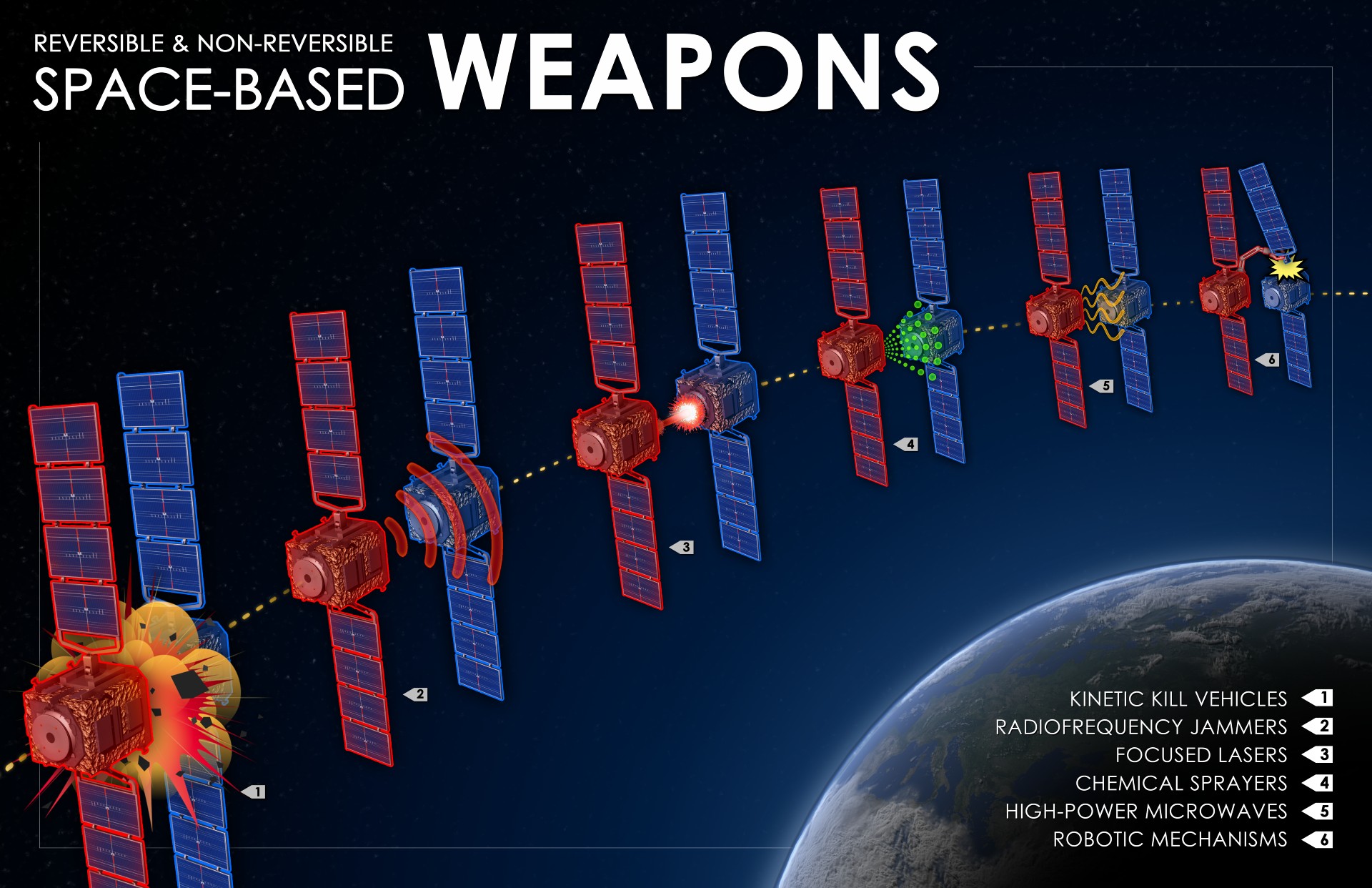
Kinetic space weapons are designed to destroy or disrupt enemy satellites using physical force, like a space-based missile defense system. On the other hand, non-kinetic space weapons use non-physical means to disable or disrupt enemy satellites, such as cyber attacks or electromagnetic pulses. Both types of weapons have their advantages and disadvantages.
Must Read
The US military is considering using kinetic space weapons to destroy enemy satellites that pose a threat to its national security. However, this approach has its drawbacks, as it could create a lot of space debris and escalate tensions with other countries. I mean, can you imagine the space junk that would be created if we started blowing up satellites left and right?
The Risks of Kinetic Space Weapons
The use of kinetic space weapons could have unintended consequences, such as creating a chain reaction of collisions that would put other satellites at risk. It's like playing a game of space billiards, where one shot could lead to a series of unpredictable outcomes. The US military needs to carefully consider the risks and benefits of using kinetic space weapons.
On the other hand, non-kinetic space weapons offer a more subtle approach to countering enemy satellites. These weapons can be used to disrupt or disable enemy satellites without creating space debris. However, they can be more difficult to develop and deploy, and their effects might be harder to predict.
The Future of Space Warfare
The development of space weapons is a complex issue that raises many questions about the future of space warfare. As the US military continues to explore its options, it's essential to consider the potential consequences of using these weapons. I mean, do we really want to create a space arms race that would put the entire world at risk?
 How A US Iron Dome Could Reshape Global Nuclear Relations | ZeroHedge
The US military is not alone in its pursuit of space warfare capabilities. Other countries, such as China and Russia, are also developing their own space weapons. It's a space race of sorts, where the stakes are much higher than they were during the Cold War.
An International Approach to Space Warfare
So, what's the best way to approach space warfare? Perhaps it's time for the international community to come together and establish some rules of engagement for space. It's like creating a space traffic code that would prevent accidents and ensure the safe use of space for all countries.
After all, space is a global commons that belongs to all of us. We should be working together to protect it, rather than trying to weaponize it. The US military and other countries should prioritize diplomacy and cooperation in their pursuit of space security.
As we move forward in this new frontier, it's essential to consider the long-term consequences of our actions. We don't want to create a space arms race that would put the entire world at risk. Instead, we should strive for a peaceful and cooperative approach to space exploration and development.
The use of kinetic and non-kinetic space weapons is a complex issue that requires careful consideration. As the US military and other countries continue to develop their space warfare capabilities, it's crucial to prioritize international cooperation and diplomacy. By working together, we can ensure that space is used for the benefit of all humanity, rather than becoming a battleground for rival nations.
