Measles And Travel: Checking Immunization Status Before Trips

So, you’ve booked the tickets, packed the sunscreen, and are dreaming of far-off temples or bustling markets. But there’s a tiny, invisible hitchhiker that can ruin your holid...
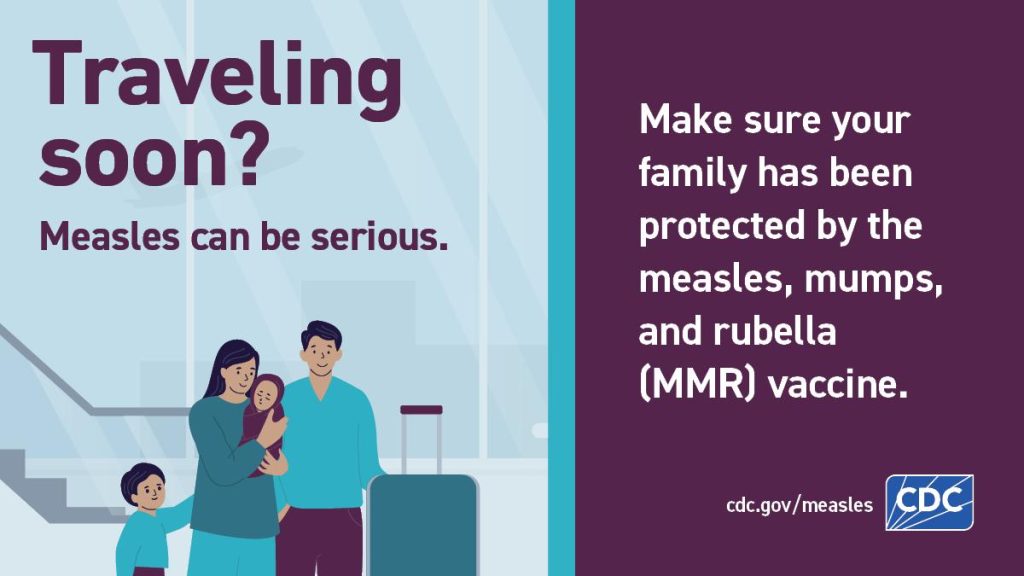
So, you’ve booked the tickets, packed the sunscreen, and are dreaming of far-off temples or bustling markets. But there’s a tiny, invisible hitchhiker that can ruin your holiday: the measles virus. Checking your immunization status before a trip isn’t a chore—it’s your passport to worry-free wandering. It ensures you don’t bring home an unwanted souvenir or, worse, spread it to vulnerable people in crowded airports or remote villages. Think of it as a simple, powerful superpower: prevention.
The purpose is simple: measles is highly contagious and travels faster than your suitcase. It can live in the air for up to two hours after an infected person sneezes. The advantage? A quick check of your vaccination records or a booster shot can give you ironclad protection. You can hike Machu Picchu or navigate Tokyo’s subways without worrying about a rash, fever, or a dreaded quarantine that derails your entire itinerary. It’s about saying “yes” to adventure and “no” to illness.
Let’s dream up a scenario: You’re backpacking through Southeast Asia. The local markets are alive with colors and spices, but so is the risk of exposure. Imagine if you’d checked your MMR (measles, mumps, rubella) vaccine status before departure. You’d have a calm confidence as you sip street-food soup, knowing your immune system is fortified. Another example: A family trip to a European Christmas market. Crowds are cozy, but measles doesn’t care about the festive spirit. A pre-trip call to your doctor turns that risk into a footnote.
Must Read
Here’s your practical travel checklist. First, dig out your vaccination card or check your health portal. If you were born after 1957, you likely need two doses of the MMR vaccine. Second, call your doctor or a travel clinic at least four to six weeks before you fly. Vaccines take time to build immunity. Third, if you’re unsure or traveling to an outbreak zone (check the CDC or WHO websites), a blood test can check your antibody levels. It’s a quick, easy “immune passport.”
Finally, a fun tip: Turn it into a ritual. After you book your flights, make a “health check date” with yourself. Grab a coffee, pull up your records, and set a reminder. It’s like packing a first-aid kit for your body. The payoff? You can fully immerse yourself in new cultures, flavors, and landscapes—without the nagging worry of a preventable disease. So go ahead, explore boldly. Just make sure your immunity has packed its bags, too.


