How Does Berkshire Hathaway Make Money? Inside The Business Model Buffett Created

There’s something quietly satisfying about understanding how a giant machine like Berkshire Hathaway actually works. It’s not just for Wall Street pros; the company’s model is...
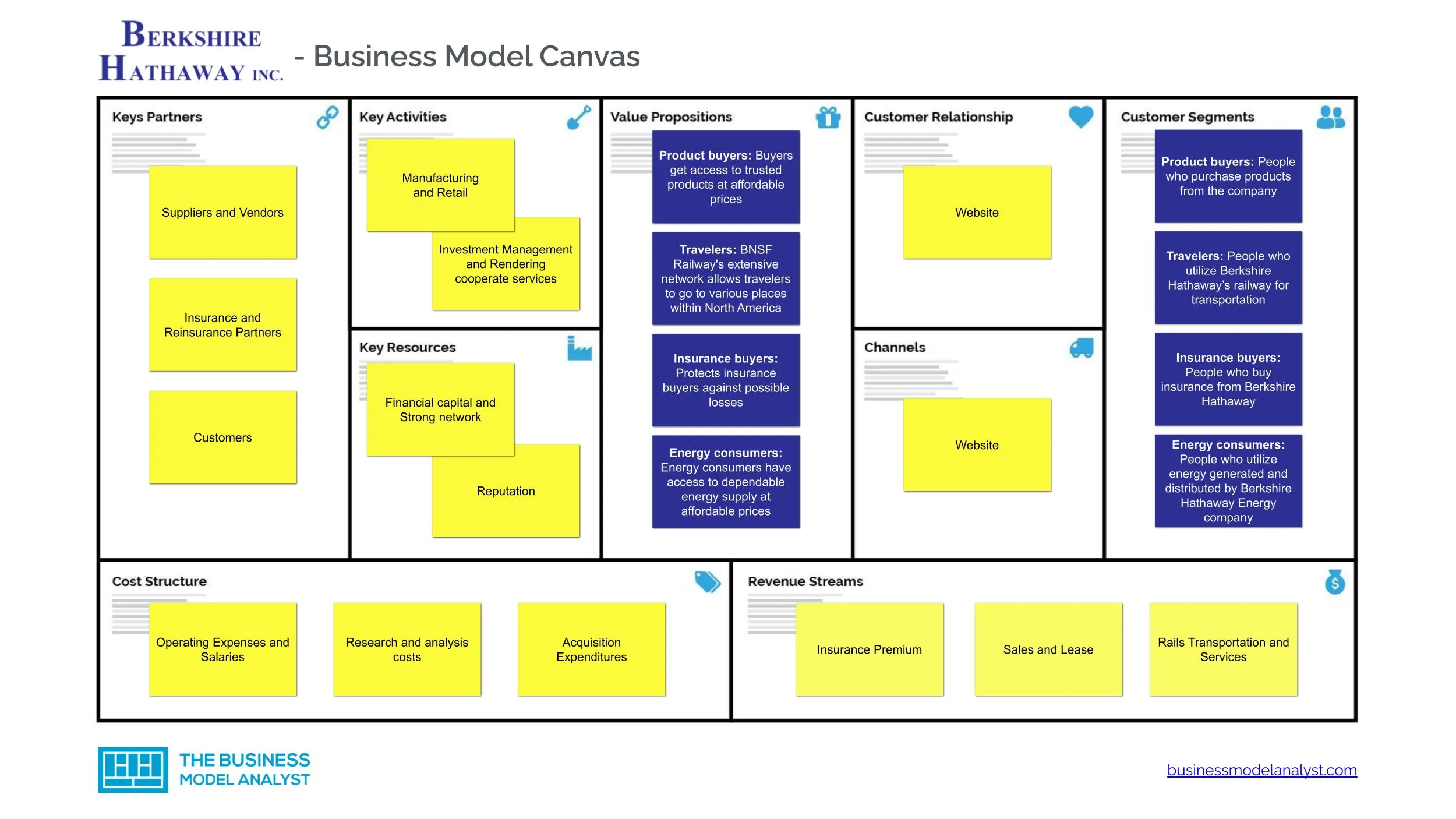
There’s something quietly satisfying about understanding how a giant machine like Berkshire Hathaway actually works. It’s not just for Wall Street pros; the company’s model is a masterclass in patience and value, offering practical lessons for anyone who saves or invests. Whether you’re a curious beginner or a seasoned shareholder, seeing how this engine runs can help you think more clearly about your own money. You might recognize bits of its style in the way your favorite insurance company handles claims, or in how a solid brand like GEICO keeps its prices low. The real trick isn’t a secret—it’s a set of simple, repeatable principles.
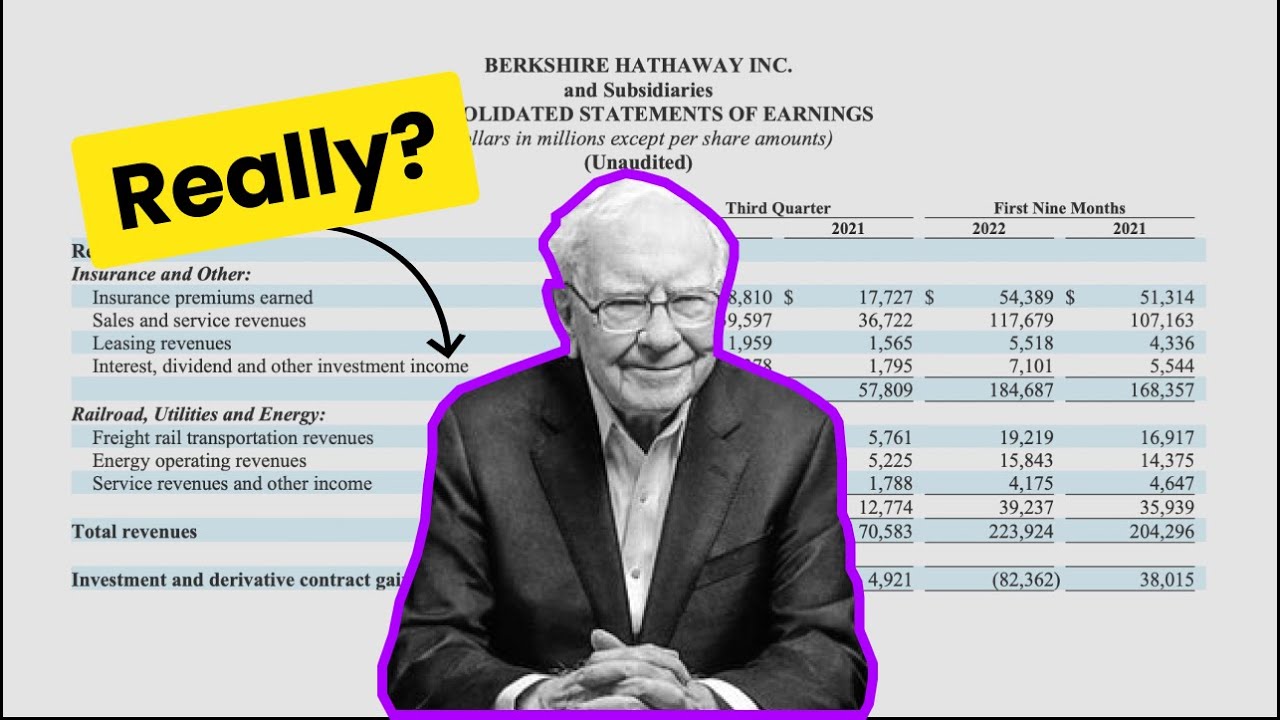
At its core, Berkshire makes money through two main channels: wholly owned subsidiaries and a stock portfolio. The companies it owns outright, like BNSF Railway or See’s Candies, generate steady cash flow. Then there’s the publicly traded side, where it holds big stakes in giants like Apple and Coca-Cola. This dual structure gives Buffett immense flexibility—profits from the rail cars can fund a stock buyback, while dividends from a soda giant can cover a new acquisition.
The secret sauce, however, is insurance float. When you pay your car insurance premium to GEICO, Berkshire gets to hold that money—sometimes for years—before paying out claims. They invest that “float” into stocks and businesses, earning returns on money that isn’t theirs. This is the engine that turbocharges growth, turning ordinary premiums into extraordinary capital. It’s like getting an interest-free loan from millions of policyholders, and Buffett has been masterful at putting that cash to work.
Must Read
Another pillar is the reinvestment habit. Berkshire rarely pays dividends to its shareholders. Instead, it takes every dollar of profit from its railroads, utilities, and candy shops and plows it back into new purchases or buybacks. Over decades, this compounding effect has been colossal. A small candy store bought in the 1970s, for instance, has helped fund a utility company that powers millions of homes today.
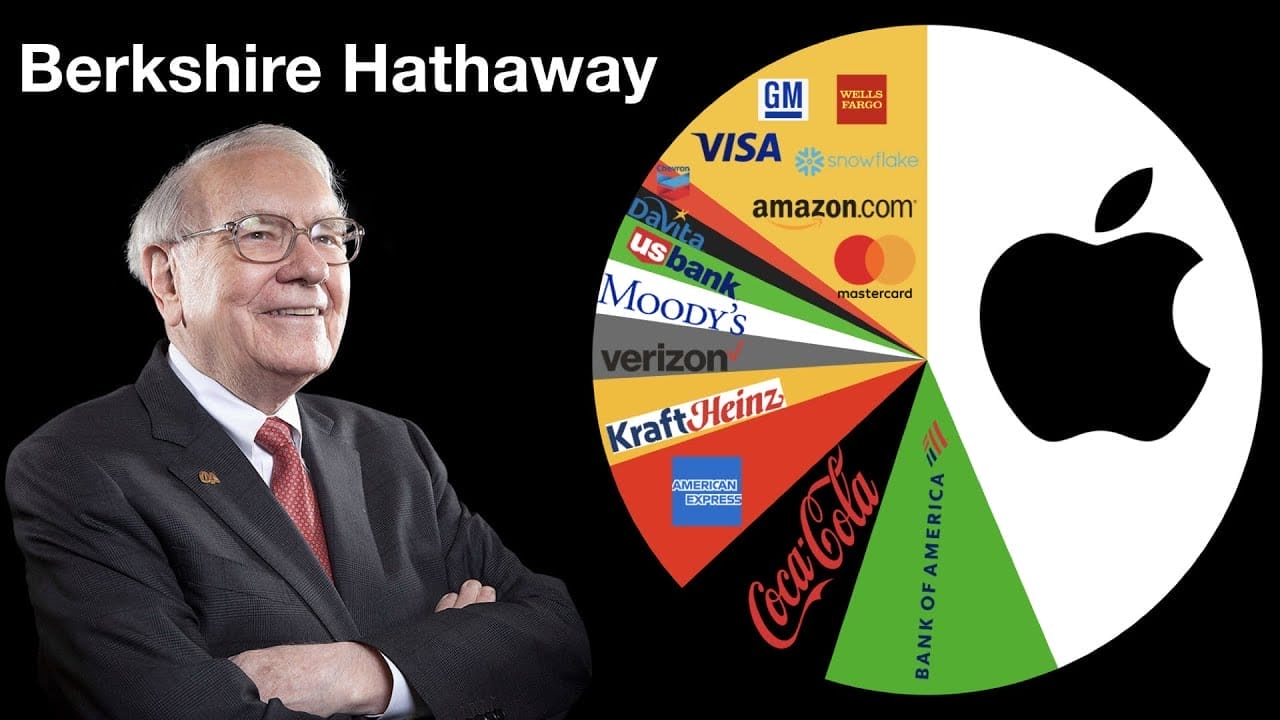 Berkshire Hathaway - A Business Breakdown
To get started applying these ideas, don’t try to copy Buffett’s billions. Instead, focus on your own “float”. Do you have a side hustle that generates steady cash before expenses come due? Can you reinvest profits from a small business instead of spending them? Even in your personal life, the principle of patience with capital matters: let good investments sit and avoid the urge to cash out early. Start by tracking one recurring revenue source and mentally earmarking those funds for growth, not consumption.
Ultimately, Berkshire’s model proves that simplicity beats complexity. Buffett didn’t invent finance—he just combined insurance, discipline, and long-term ownership. You don’t need a billion-dollar portfolio; you just need a clear idea, a pile of cash to hold, and the patience to let it compound. So next time you see a GEICO gecko or bite into a See’s chocolate, smile: you’re looking at the very gears of a money-making machine that anyone can learn from.
:max_bytes(150000):strip_icc()/buffetts-road-to-riches-503bf79a9c444047840ea156fd648143.png)
