Berkshire Hathaway For Beginners: Key Terms, History, Subsidiaries, And Investment Philosophy

For many people, the name Berkshire Hathaway evokes a sense of quiet, long-term wealth. Its allure isn’t flashy tech stocks but a steadfast philosophy of buying wonderful comp...
For many people, the name Berkshire Hathaway evokes a sense of quiet, long-term wealth. Its allure isn’t flashy tech stocks but a steadfast philosophy of buying wonderful companies and holding them. The key purpose of understanding Berkshire is to see how patience, not speed, builds financial security. Imagine a neighbor who bought a local hardware store decades ago, never sold it, and now collects its profits every year—that is the Berkshire model for everyday life.
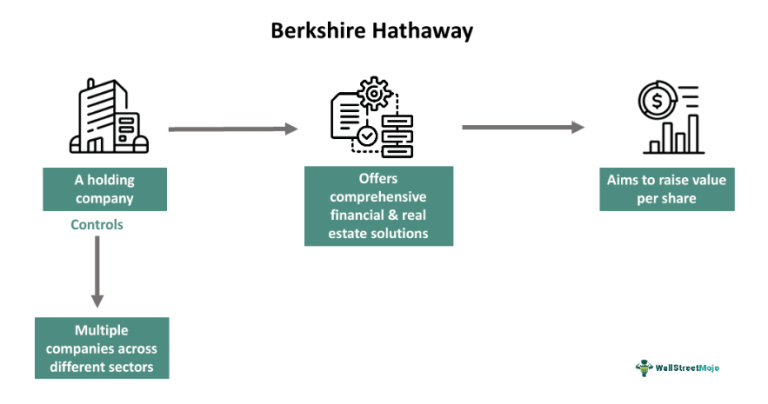
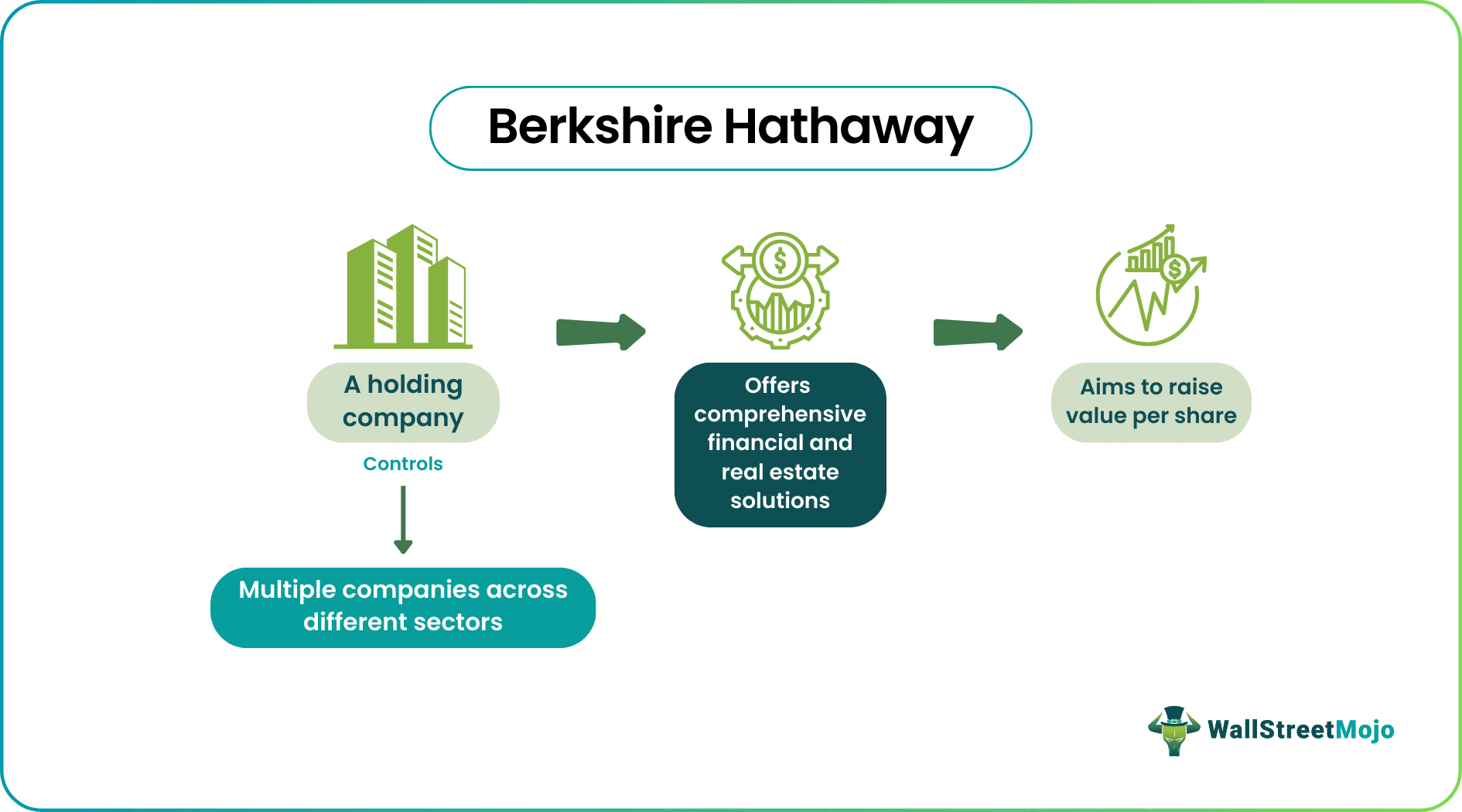
The history begins in the 1960s when a young investor named Warren Buffett took control of a struggling textile mill. He realized the mill’s business was dying, but the cash flow could be used to buy better companies. This pivot birthed the modern Berkshire: a holding company that uses profits from boring, durable businesses to fund new acquisitions. Today, you cannot buy Berkshire’s individual stocks—you buy the whole company’s shares.
Berkshire’s subsidiaries are the engine of its success. They include GEICO (insurance), See’s Candies (confectionery), BNSF Railway (freight), and Duracell (batteries). These are not glamorous tech firms; they are everyday necessities. When you buy a box of chocolates or insure your car, you may be contributing to Berkshire’s cash pile. This diversity protects the company from any single industry’s downturn.
Must Read
The investment philosophy is famously simple. Buffett and his partner Charlie Munger look for moats—durable competitive advantages like brand loyalty or low costs. They buy when the price is below intrinsic value, then hold forever. For example, they invested in Coca-Cola in 1988, trusting its global brand would sell soda for decades. The lesson: buy a great business, not a hot stock.
For a beginner, a few simple tips help you explore on your own. First, read Buffett’s annual shareholder letters—they are free online and teach financial literacy better than any textbook. Second, follow the “Circle of Competence” rule: only invest in what you understand, like a retailer you shop at or a railroad you use. Third, ignore short-term price swings; focus on the business’s earnings over years, not days. Finally, remember Berkshire’s core benefit: it removes the stress of constant trading, letting your wealth compound quietly.