Greg Abel’s Leadership Style: What Investors Can Expect In The Post-buffett Era

For decades, investors have found deep comfort in the steady hand of Warren Buffett at Berkshire Hathaway. His folksy wisdom and long-term vision have felt like a financial an...
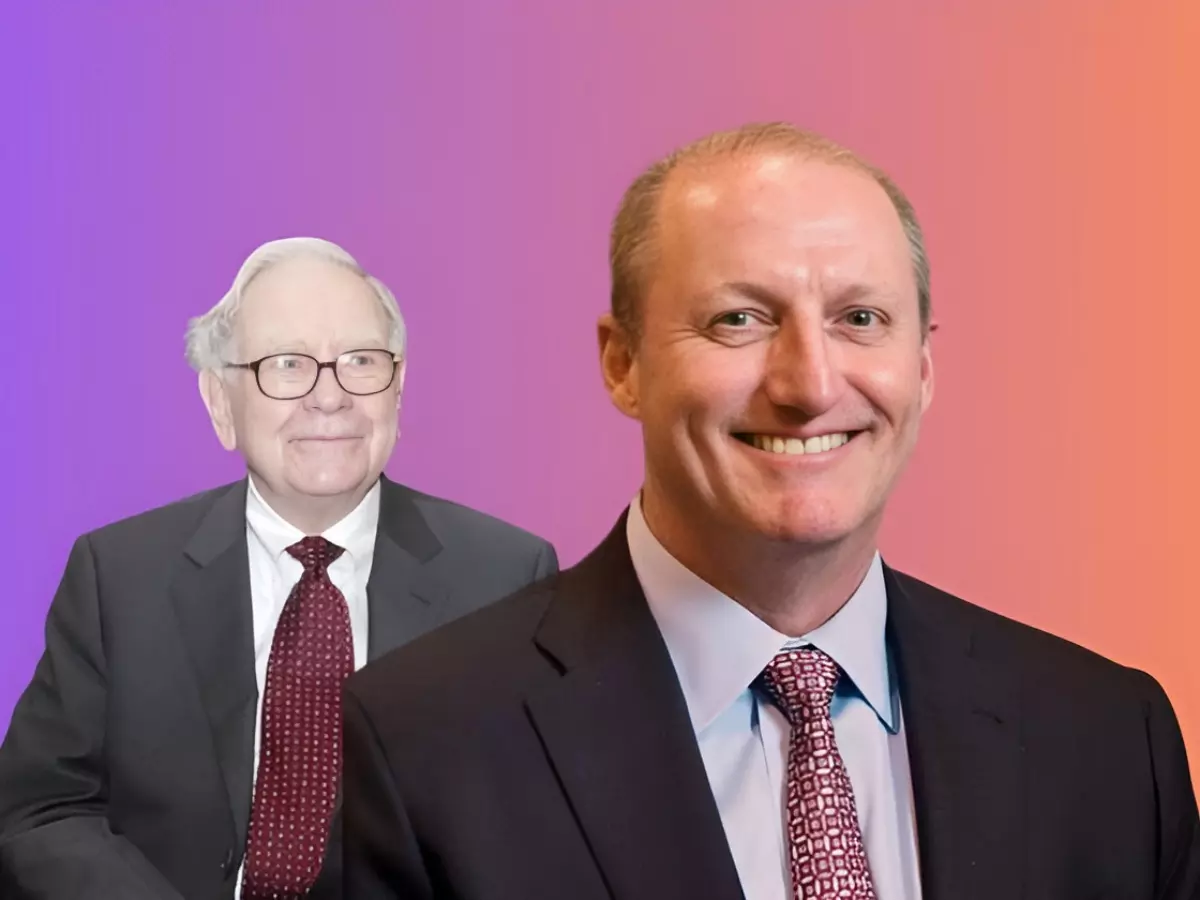
For decades, investors have found deep comfort in the steady hand of Warren Buffett at Berkshire Hathaway. His folksy wisdom and long-term vision have felt like a financial anchor in a stormy market. The value in understanding a leader’s style isn’t just for Wall Street titans; it directly affects the stability of your savings, retirement funds, and even the companies you patronize. As the post-Buffett era dawns, analyzing Greg Abel’s approach gives everyday investors a roadmap for what lies ahead.
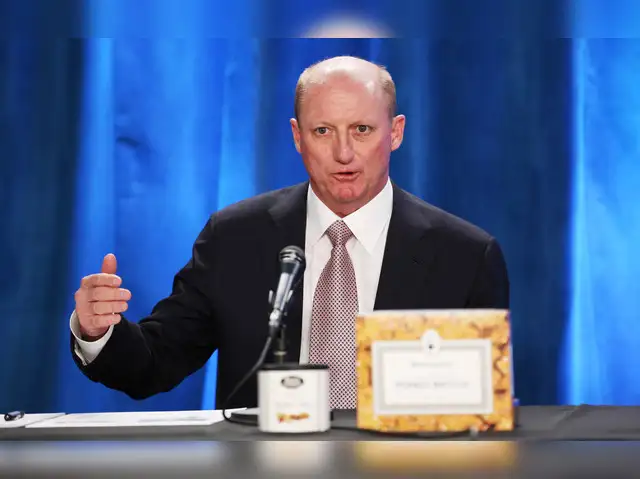
Greg Abel, Berkshire’s designated successor, is known for a leadership style built on operational mastery and decisive delegation. Unlike Buffett’s more hands-off, relationship-driven approach, Abel dives deep into the numbers and efficiencies of Berkshire’s sprawling energy and railroad units. This means investors should expect a subtle shift from a "capital allocator" to a "capital optimizer," focusing on squeezing maximum value from existing businesses rather than splashy new acquisitions.
The key purpose of Abel’s method is reliability over romance. He prioritizes predictable cash flows and rigorous budgets. For example, under his watch at Berkshire Hathaway Energy, Abel approved massive, long-term infrastructure projects with clear regulatory returns, not speculative ventures. For the average person, this translates to a more predictable and less volatile stock performance, even if the headlines become less colorful. Your investment’s heartbeat will be steadier.
Must Read
A practical scenario: Imagine you own a local utility company stock. Under Buffett, you might hear inspiring letters praising the manager’s character. Under Abel, you would likely see tighter cost controls and detailed quarterly progress on grid upgrades. Both are good, but Abel’s focus is on execution. This benefits everyday life by fostering companies that are less likely to make sudden, risky bets—protecting your job, your dividends, and your pension’s health.
To explore this shift on your own, start by reading Berkshire’s annual reports. Pay close attention to footnotes on regulated utilities and capital expenditure tables. Next, follow interviews with Abel, noting when he discusses "synergy" or "operational efficiency" versus Buffett’s favorite phrase, "economic moat." This simple contrast highlights the coming change.
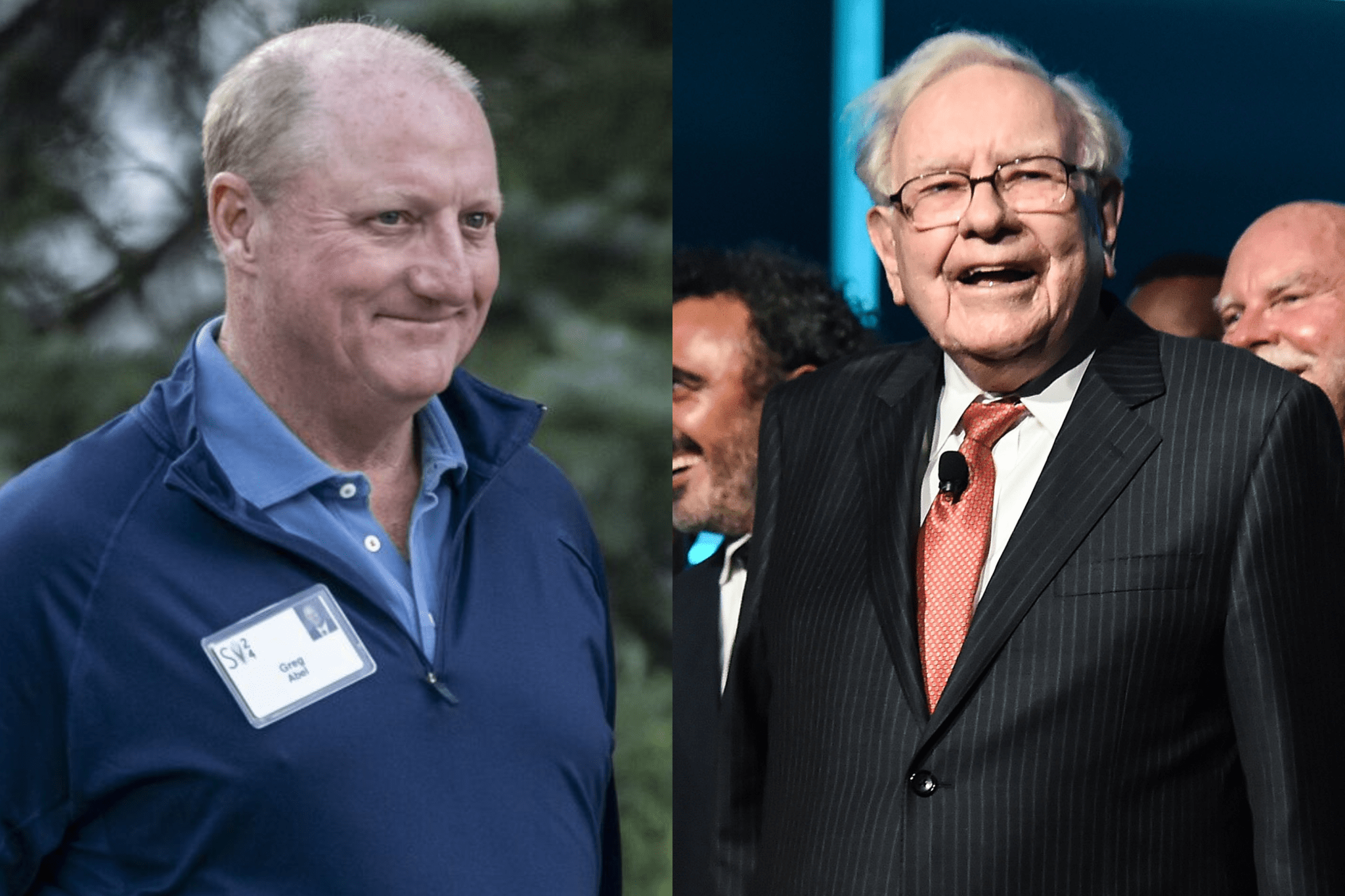 Meet Greg Abel, the new CEO of Berkshire Hathaway—the…
Another tip: compare the performance of Berkshire’s energy assets (Abel’s domain) against its insurance operations. Notice how Abel’s side focuses on consistent cash generation rather than the huge, rare gains Buffett is famous for. This exercise trains your eye to value resilience over excitement.
In the post-Buffett era, Greg Abel’s leadership promises a quiet competence that may lack charisma but offers durability. For investors, the benefit is clear: a transition that respects the past while methodically building for the future. By embracing this style, your portfolio can weather the change with confidence, knowing that the engine is as strong as the name behind the wheel.