Lindsay Clancy Case: What Happens After Mistrial Hearing Set for Late September 2026

With a mistrial declared in the Lindsay Clancy murder case, all eyes now turn to a late September hearing where prosecutors are expected to outline their next move. Here is wh...
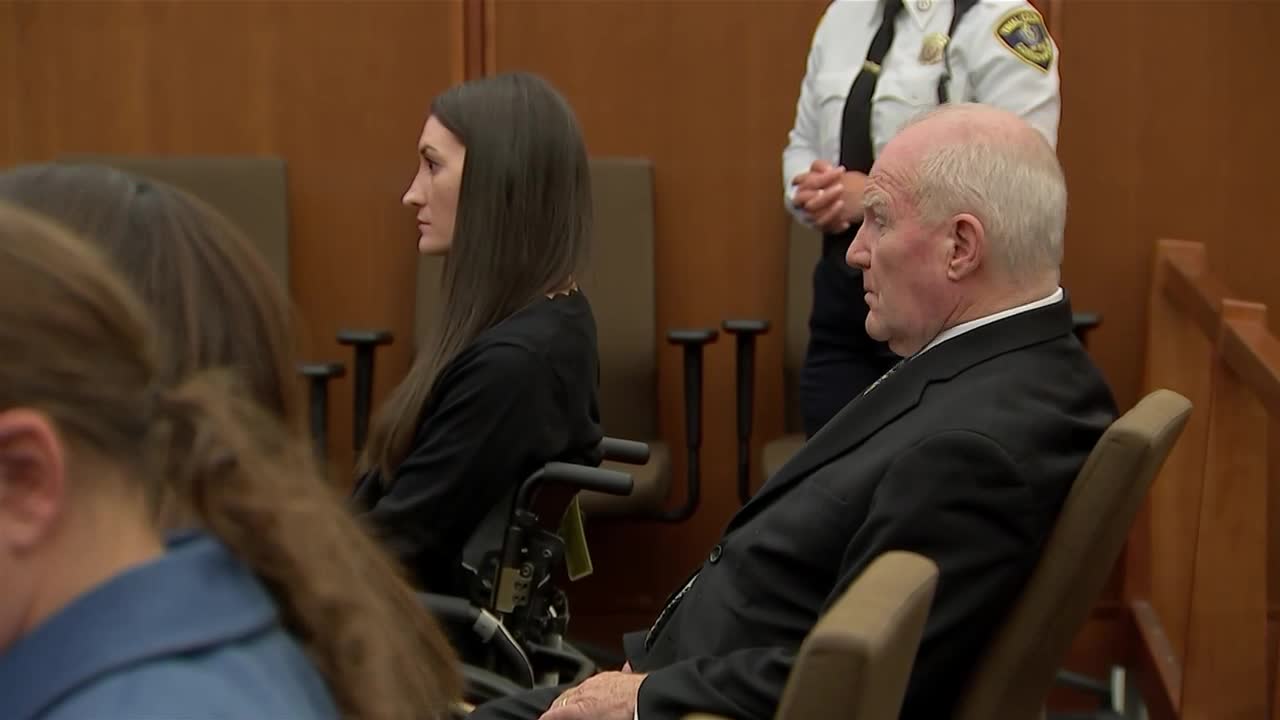
With a mistrial declared in the Lindsay Clancy murder case, all eyes now turn to a late September hearing where prosecutors are expected to outline their next move. Here is what could happen next, from a retrial to a plea deal or dismissal.
On Friday, September 4, 2026, Plymouth Superior Court Judge William Sullivan formally declared a mistrial in the murder trial of Lindsay Clancy after the jury reported being deadlocked for the third time over more than a week of deliberations.
The mistrial means:
Must Read
- There is no conviction and no acquittal.
- Clancy remains charged with three counts of first-degree murder in the deaths of her children—Cora, 5; Dawson, 3; and Callan, 8 months.
- She continues to be held in state custody at a psychiatric hospital, where she has been since before the trial began.
Legally, the case is now in a similar position to where it was before the trial started, except that both sides have a much clearer sense of how the evidence and arguments played out in front of a jury.
Late September Status Hearing
Judge Sullivan scheduled a status hearing for late September 2026 (set for September 29, 2026, at 9 a.m. in Plymouth Superior Court). This hearing will bring together:
- Plymouth County District Attorney Timothy Cruz and his prosecution team.
- Clancy's defense attorneys, including lead counsel Kevin Reddington and appellate lawyer Dana Goldblatt.
- Judge Sullivan, who presided over the first trial.
At this hearing, the court expects to address several key issues:
- Prosecutors' decision on retrial: Whether the district attorney's office will seek to retry Clancy on the same first-degree murder charges, pursue lesser charges, negotiate a plea deal, or dismiss some or all counts.
- Scheduling: If a retrial is planned, the judge and attorneys will discuss potential dates for jury selection and the start of a new trial. Judge Sullivan has indicated he would ideally like to retry the case later this fall if possible.
- Pretrial motions: The defense may file or renew motions, such as requests for bail or modified custody, motions to suppress evidence, or other procedural matters ahead of a potential retrial.
- Rule 25(b)(2) motion: Court records indicate that a hearing on a Rule 25(b)(2) motion was also set for this date. This type of motion typically allows a judge to review or reduce a jury's verdict, though in this context it may be used to address post-mistrial issues or preserve certain legal arguments.
What Prosecutors Are Considering
After the mistrial, District Attorney Cruz stated that no immediate decision would be made on whether to retry the case. His office will need to weigh several factors before announcing its plans at or before the late September hearing:
- Strength of the evidence: Prosecutors believe they presented a strong case showing that Clancy intentionally strangled her three children and that her actions were deliberate and premeditated.
- Jury deadlock dynamics: The fact that the jury hung—reportedly by a narrow margin—suggests that some jurors were sympathetic to the postpartum psychosis defense. Prosecutors will assess whether a different jury might be more persuaded by their theory of the case.
- Resources and cost: A second trial would require significant time, money, and emotional energy from witnesses, victims' families, and court staff. Some legal observers note that retrials after a mistrial can be expensive and uncertain.
- Plea options: Prosecutors could explore a plea agreement, potentially involving a guilty plea to a lesser charge (such as manslaughter) in exchange for avoiding another full trial.
In a brief statement after the mistrial, Cruz said he would be meeting with his team and would address the case further "at the appropriate time in the context of an official court proceeding," signaling that the late September hearing is likely when formal plans will be outlined.
Defense Strategy After the Mistrial
For Clancy's defense team, the mistrial offers both challenges and opportunities as they prepare for the late September hearing:
- Pushing for dismissal or reduced charges: The defense may argue that the deadlock shows the evidence was insufficient to prove guilt beyond a reasonable doubt and urge prosecutors not to retry the case.
- Seeking release or modified custody: Clancy's lawyers may request changes to her custody conditions, arguing for bail or transfer to a different facility while the case remains pending.
- Preparing for a retrial: If prosecutors move forward with a new trial, the defense will likely refine their presentation on postpartum psychosis, criminal responsibility, and reasonable doubt, building on what they learned from the first jury's reactions.
Possible Scenarios After the September Hearing
Several outcomes are possible depending on what is announced or decided at the late September status hearing:
1. Retrial Scheduled
Prosecutors announce they will retry Clancy on first-degree murder charges. The court then sets dates for:
- Pretrial conferences to address motions and logistics.
- Jury selection, which could take several days to a week.
- Trial start date, potentially as early as late fall 2026 if the court's calendar allows.
A retrial would mean presenting much of the same core evidence—about the killings, Clancy's mental health, and the claim of postpartum psychosis—to a new jury.
 Judge denies request to split Lindsay Clancy murder trial into 2 phases
2. Plea Negotiations Progress
Both sides indicate they are in active plea discussions. Possible outcomes include:
- A guilty plea to a lesser charge, such as manslaughter or murder with diminished responsibility.
- An agreed-upon sentence recommendation in exchange for avoiding another trial.
- Resolution of some counts while dismissing others.
A plea deal would bring a faster resolution but would still require court approval and might be controversial given the severity of the case.
3. Charges Reduced or Dismissed
Less likely but possible, prosecutors could decide to:
- Proceed on lesser charges instead of first-degree murder.
- Dismiss some or all counts, especially if they conclude that securing a conviction in a second trial is too uncertain or not in the public interest.
Complete dismissal would be surprising in a high-profile case involving three child deaths, but it cannot be ruled out entirely if internal assessments change.
Clancy's Custody Status in the Meantime
Unless her attorneys successfully argue for a change, Lindsay Clancy is expected to remain in state custody at Tewksbury State Hospital or a similar psychiatric facility while the case is pending. She has been held in this setting since 2023, under evaluation and treatment related to her mental health.
Any request for bail or release would require a separate motion and hearing, with prosecutors likely to oppose such requests given the seriousness of the charges.
Key Takeaways
- A status hearing in the Lindsay Clancy case is set for late September 2026 (September 29, at 9 a.m.) in Plymouth Superior Court.
- At that hearing, prosecutors are expected to indicate whether they will seek a retrial, pursue a plea deal, reduce charges, or dismiss the case.
- Clancy remains charged with first-degree murder and in state psychiatric custody; there has been no conviction or acquittal.
- If a retrial is scheduled, it could begin as early as later this fall, though exact dates have not been set.
- The core issues—intentional killing versus lack of criminal responsibility due to postpartum psychosis—are likely to remain central if the case goes to trial again.
What the Late September Hearing Means for the Clancy Case
The late September status hearing will be the first major court event since Judge Sullivan declared a mistrial in the Clancy trial. It marks the transition from the uncertainty immediately after the deadlock to a more structured phase where the prosecution and defense outline their next moves.
For the families of Cora, Dawson, and Callan Clancy, and for the public following the case, this hearing will provide the first concrete answers about whether there will be a second trial or some other resolution. It will also set the timeline for what could be another emotionally grueling legal process.
Until then, the case remains in a state of limbo: a mistrial has been declared, but the fundamental questions about Lindsay Clancy's criminal responsibility and the legal consequences of her actions are still waiting to be answered.
