Lindsay Clancy Mistrial Fallout: Juror Addresses Conspiracy Theories About Children’s Deaths

There’s something inherently fascinating about a trial that grips the public, especially when the verdict isn’t clean and simple. The Lindsay Clancy mistrial is a perfect exam...
:max_bytes(150000):strip_icc():format(jpeg)/lindsay-clancy-court-061826-6dfac14c15504f5cbbd98b0cf6436ae3.jpg)
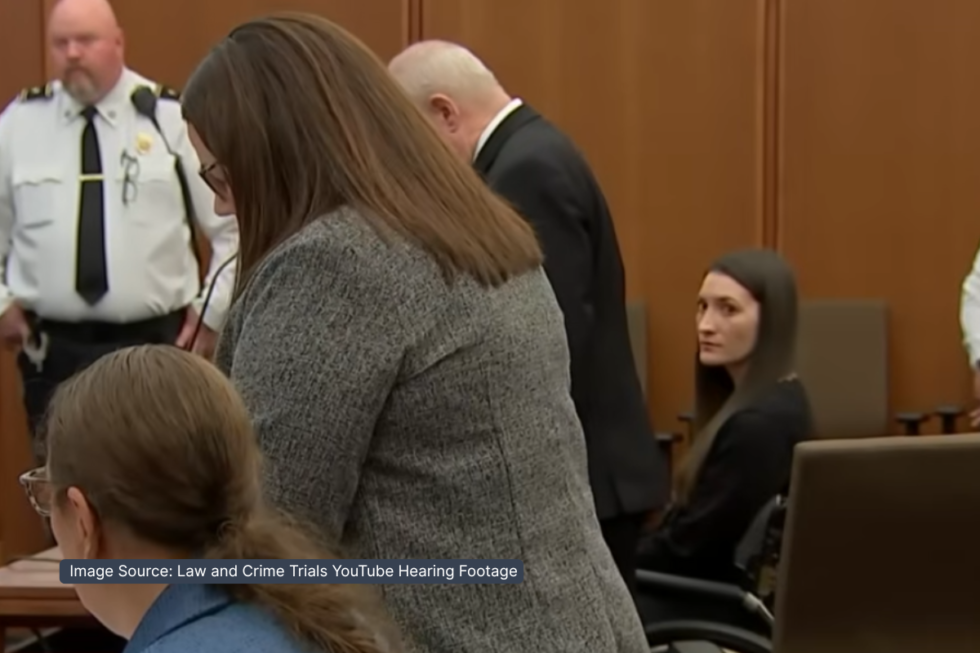
There’s something inherently fascinating about a trial that grips the public, especially when the verdict isn’t clean and simple. The Lindsay Clancy mistrial is a perfect example—it’s the kind of story that gets people talking at coffee shops and scrolling endlessly online. The main purpose of following this case isn’t just about morbid curiosity; it’s about understanding how justice actually works when raw emotion meets complex facts. For true crime enthusiasts, it offers a practical lesson in legal procedure. For concerned parents, it highlights the hidden struggles of mental health. And for everyone else, it’s a sobering reminder that truth isn’t always clear-cut—which is exactly why conspiracy theories start buzzing.
If you’ve been following the news, you know the core issue: after the mistrial was declared, theories exploded online, with some people claiming the children’s deaths were staged or that Lindsay Clancy was a victim of a larger plot. One juror recently stepped forward to address this directly, and their take is worth hearing. The juror explained that the jury was hung not because they doubted the tragedy, but because they disagreed on her state of mind at the time. That’s a huge difference. It shows how quickly speculation can replace what actually happened in the deliberation room.
Here’s the thing about conspiracy theories: they often thrive on a lack of information. The juror’s statement is a perfect antidote. They emphasized that the evidence of the deaths was never in dispute—only the legal definition of intent was. For anyone tempted to believe wild claims, this is a useful reality check. Start by asking yourself: “What is the simplest, evidence-based explanation?” More often than not, the truth is less dramatic but far more grounded.
Must Read
A common variation of these theories pops up in every high-profile case. You’ll see claims about hidden cameras, coerced confessions, or secret medical records. The pattern is predictable: people fill gaps in public knowledge with their own fears. The benefit of listening to actual jurors, like this one, is that they cut through the noise. They remind us that reasonable doubt is not the same as innocence—and that a mistrial is a procedural outcome, not a conspiracy signal.
 Lindsay Clancy arraigned via Zoom for deaths of three children
To make the most of following cases like this, take a step back from social media headlines. Instead of diving into comment sections, search for official court statements or juror interviews—they are rare gems. Also, practice healthy skepticism: if a theory requires ignoring multiple layers of evidence, it’s likely fiction. Finally, talk to someone who doesn’t consume true crime; a fresh perspective can instantly dissolve paranoia.
What’s truly enjoyable here is the human element. The juror didn’t just defend their verdict; they offered a calm, logical voice in a storm of chaos. That’s rare and valuable. Whether you’re a legal junkie or just a casual observer, this case teaches a practical lesson: listen to the people who were actually in the room. They often have the best—and most boring—version of the truth. And sometimes, boring is exactly what we need to stay grounded.

:max_bytes(150000):strip_icc():format(jpeg)/lindsay-clancy-court-061826-6dfac14c15504f5cbbd98b0cf6436ae3.jpg&description=Lindsay+Clancy+Mistrial+Fallout%3A+Juror+Addresses+Conspiracy+Theories+About+Children%E2%80%99s+Deaths)