Who Was Miguel Hidalgo? The Priest Whose Cry Sparked Mexico’s Fight For Independence

Imagine a world where freedom and equality are just distant dreams, and one person's courageous cry sparks a revolution that changes the course of history. This is the story o...
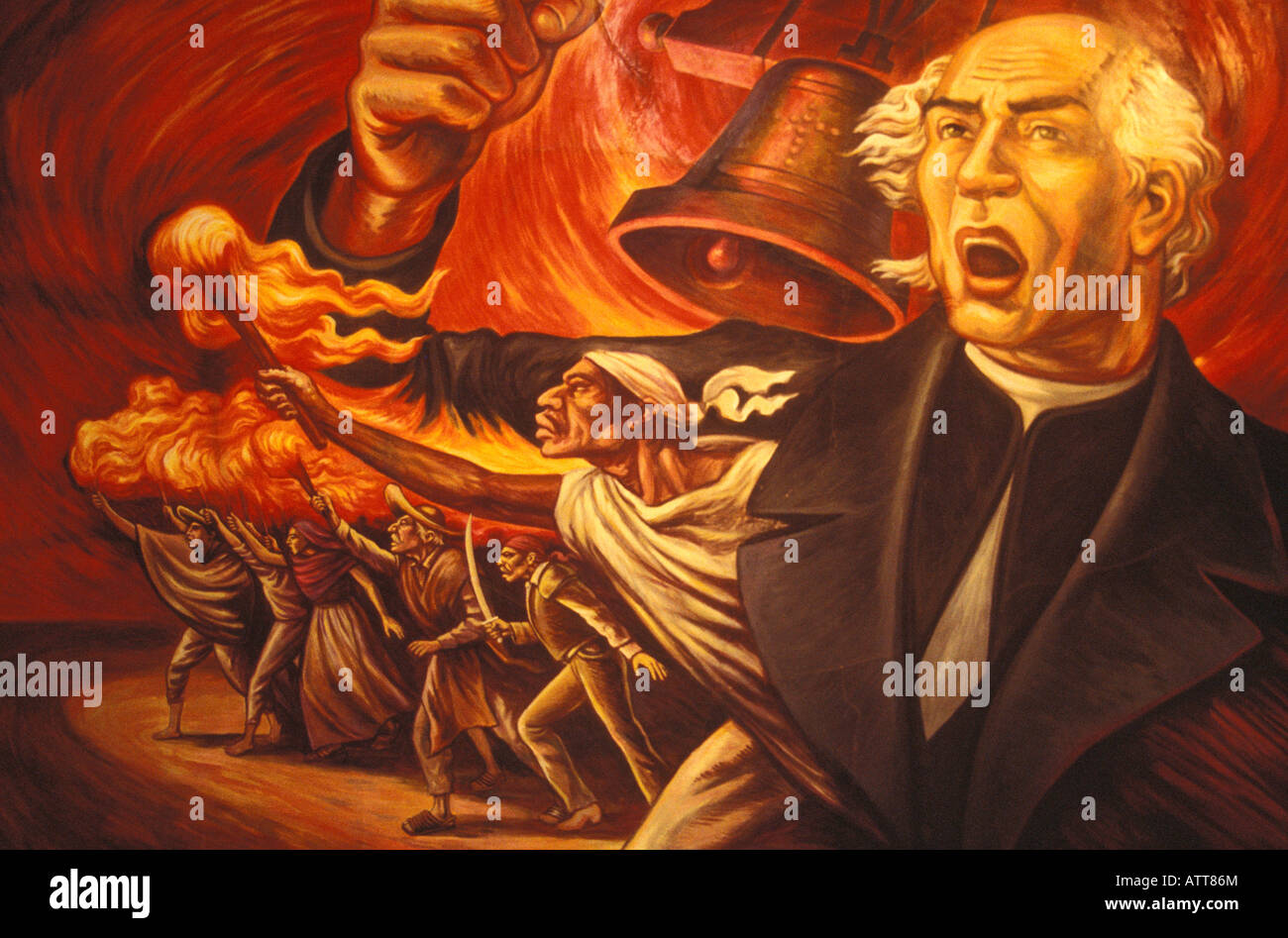
Imagine a world where freedom and equality are just distant dreams, and one person's courageous cry sparks a revolution that changes the course of history. This is the story of Miguel Hidalgo, a Mexican priest who played a pivotal role in the country's fight for independence from Spain. His legacy continues to inspire and influence Mexican culture to this day.
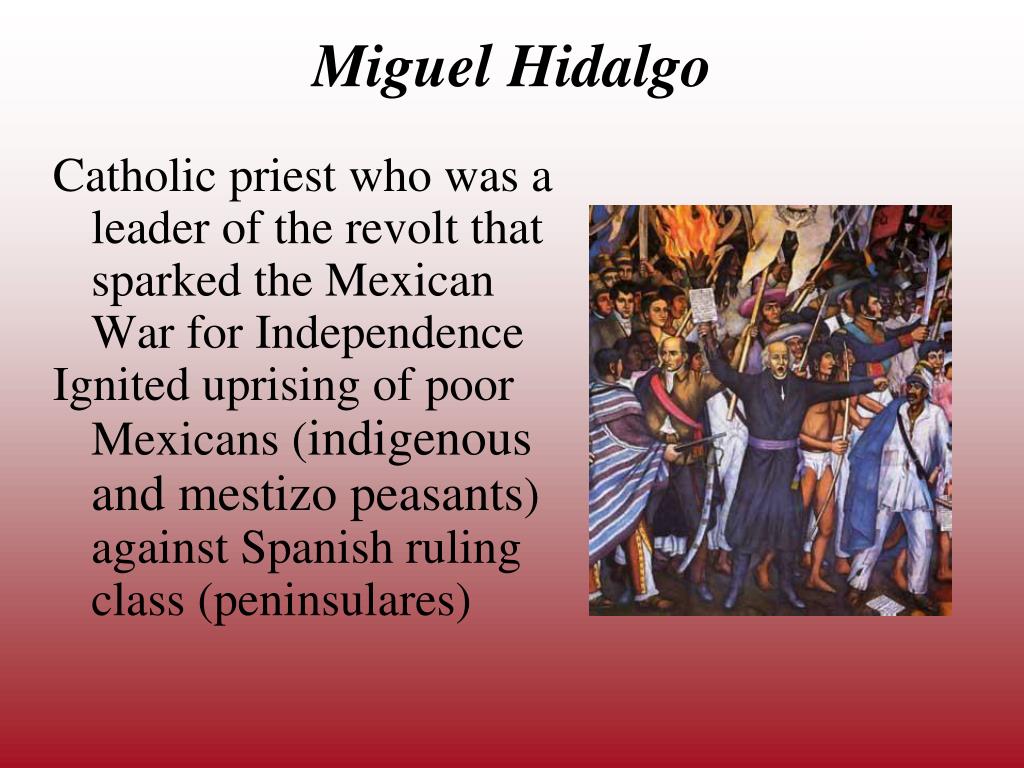
Born in 1753, Hidalgo was a criollo, a person of Spanish descent born in Mexico, and was raised in a time of great social and economic inequality. He studied to become a priest and was ordained in 1778, eventually becoming the parish priest of Dolores, a small town in the state of Guanajuato. During his time in Dolores, Hidalgo developed a deep understanding of the struggles and injustices faced by the indigenous and mestizo populations.
A Call to Action
In 1810, Hidalgo issued the famous Grito de Dolores, a call to arms that rallied the Mexican people against Spanish rule and sparked the Mexican War of Independence. The Grito was a powerful cry for freedom and equality, and its impact was felt across the country. On September 16, 1810, Hidalgo and his followers marched into the town square, armed and ready to take on the Spanish authorities.
Must Read
The Grito de Dolores was more than just a battle cry – it was a call to action, a reminder that the Mexican people had the power to shape their own destiny. Hidalgo's message of hope and freedom resonated with people from all walks of life, from indigenous communities to mestizo farmers and criollo intellectuals. His courage and conviction inspired a nation to rise up against oppression and fight for its rights.
A Life of Activism
But Hidalgo's activism didn't start with the Grito – he had been working tirelessly for years to improve the lives of his community. He established schools and hospitals, and advocated for the rights of the poor and marginalized. His commitment to social justice and equality earned him the respect and admiration of his people. Hidalgo's legacy extends far beyond the Grito, and his impact on Mexican history and culture is still felt today.
So, what can we learn from Hidalgo's life and legacy? For starters, we can learn about the importance of standing up for what we believe in, even in the face of overwhelming opposition. We can also appreciate the value of community organizing and the power of grassroots movements to effect change. Whether we're fighting for social justice, environmental protection, or human rights, we can draw inspiration from Hidalgo's courage and conviction.
In today's world, it's easy to feel disconnected from the struggles of the past, but Hidalgo's story reminds us that history is alive and well. We can see echoes of his legacy in the social movements of today, from Black Lives Matter to MeToo and LGBTQ+ rights. By learning from the past and honoring the courage and conviction of leaders like Hidalgo, we can build a better future for ourselves and for generations to come.
Celebrating Hidalgo's Legacy
Every year on September 16, Mexico celebrates its Independence Day, commemorating the anniversary of the Grito de Dolores. It's a day of parades, music, and traditional foods, a time to come together and celebrate the country's rich history and culture. Whether you're Mexican or just a fan of Mexican culture, you can join in the celebrations and experience the vibrant energy and warmth of the Mexican people.
 PPT - Independence Movements in Latin America PowerPoint Presentation
So, how can you get in on the action? You could start by trying some traditional Mexican dishes, like tacos al pastor or chiles rellenos. You could also learn some basic Spanish phrases, like "¡Viva México!" or "¡Estoy orgulloso de ser mexicano!" (I'm proud to be Mexican!). Whatever you choose, you'll be honoring the legacy of Miguel Hidalgo and the brave men and women who fought for Mexico's independence.
Fun Facts and Cultural References
Did you know that Miguel Hidalgo was a skilled musician and played the violin? He was also a talented writer and penned several poems and essays on social justice and politics. You can find references to Hidalgo in Mexican literature and art, from the works of Octavio Paz to the murals of Diego Rivera.
In Mexican cinema, Hidalgo has been portrayed by several actors, including José Carlos Ruiz and Demian Bichir. You can also find references to the Grito de Dolores in music and film, from the mariachi songs of Javier Solis to the epic dramas of Carlos Bolado. Whether you're a fan of Mexican culture or just looking for a new perspective, there's no shortage of ways to engage with Hidalgo's legacy.
As we reflect on the life and legacy of Miguel Hidalgo, we're reminded that one person can make a difference. We don't have to be a priest or a politician to effect change – we can start in our own communities, working towards social justice and human rights. By drawing inspiration from Hidalgo's courage and conviction, we can build a better world for ourselves and for future generations.
In the end, Hidalgo's story is a testament to the power of the human spirit. It reminds us that we all have the capacity to make a difference, to stand up for what we believe in, and to fight for a better world. So, let's take a page from Hidalgo's book and strive to be the change we want to see in the world. ¡Viva la independencia!
