What's Executive Summary

So, you're sitting in a meeting, and someone throws around the term Executive Summary like it's a hot new restaurant in town. You nod along, pretending to know what it means,...
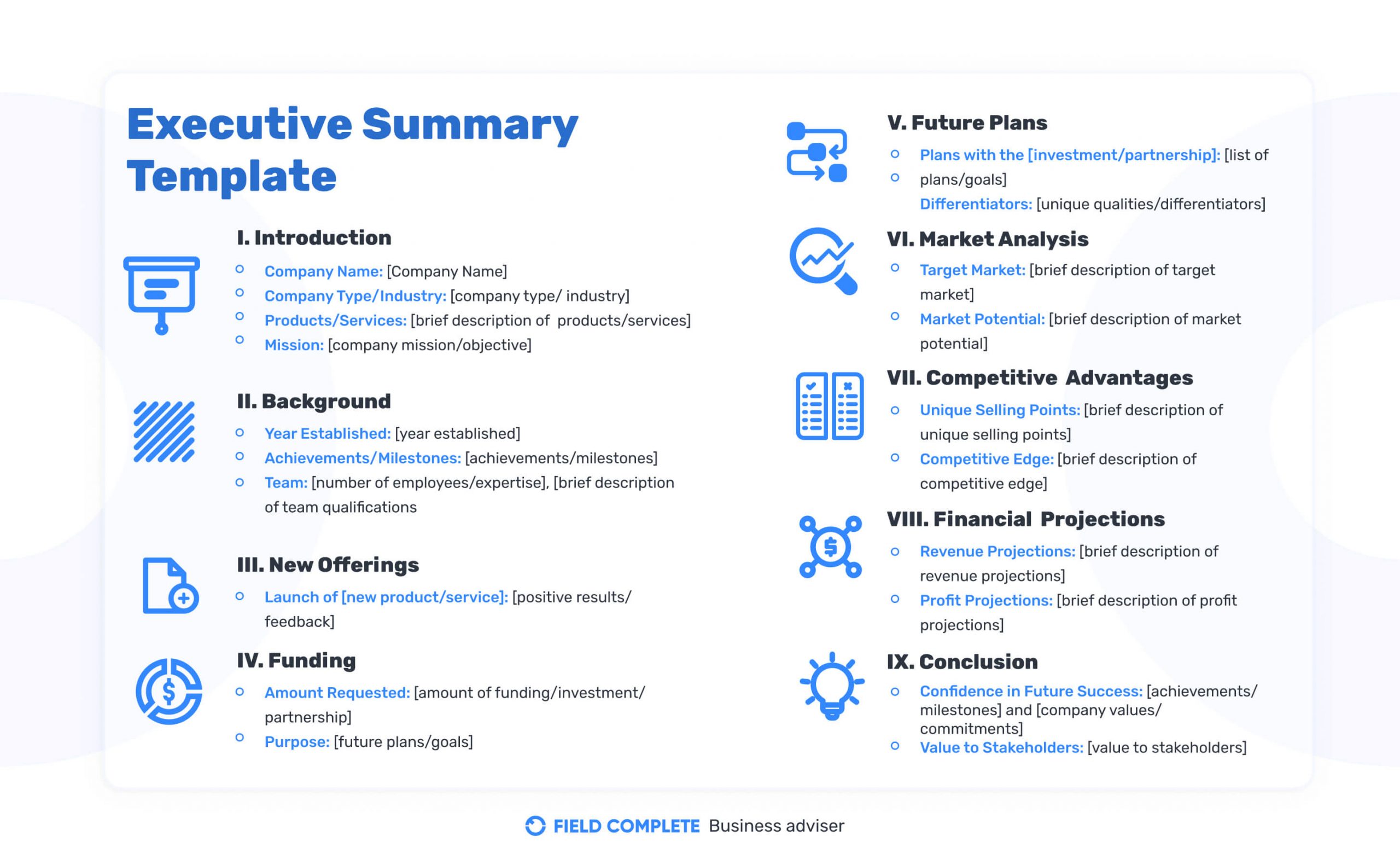
So, you're sitting in a meeting, and someone throws around the term Executive Summary like it's a hot new restaurant in town. You nod along, pretending to know what it means, but secretly, you're thinking, "What's the big deal about a fancy summary?" Well, let me spill the beans: it's not just a summary, it's the ultimate summary.
An Executive Summary is like a movie trailer, but instead of explosions and car chases, it's got key points and main ideas. It's a brief overview of a larger document, like a report or proposal, that gives the reader a quick snapshot of what's inside. Think of it like a CliffsNotes for busy executives (hence the name, duh!).
The Purpose of an Executive Summary
So, why do we need an Executive Summary in the first place? Well, it's like this: imagine you're trying to convince your boss to invest in a new project, but the proposal is, like, a million pages long (okay, maybe not a million, but it feels like it!). You need to grab their attention and make your case quickly, or you'll lose them at hello. That's where the Executive Summary comes in – it's like a sales pitch for your document.
Must Read
It's not just about summarizing the main points, though. A good Executive Summary should also highlight the benefits and key findings of the project. It's like a teaser trailer that makes the reader want to dive in and learn more. And, let's be real, who doesn't love a good teaser?
Now, you might be thinking, "Okay, this all sounds great, but how do I actually write an Executive Summary?" Well, the good news is that it's not rocket science (although, if you're writing a proposal for a rocket launch, then it might be!). The bad news is that there's no one-size-fits-all formula, but don't worry, I've got some hot tips to share.
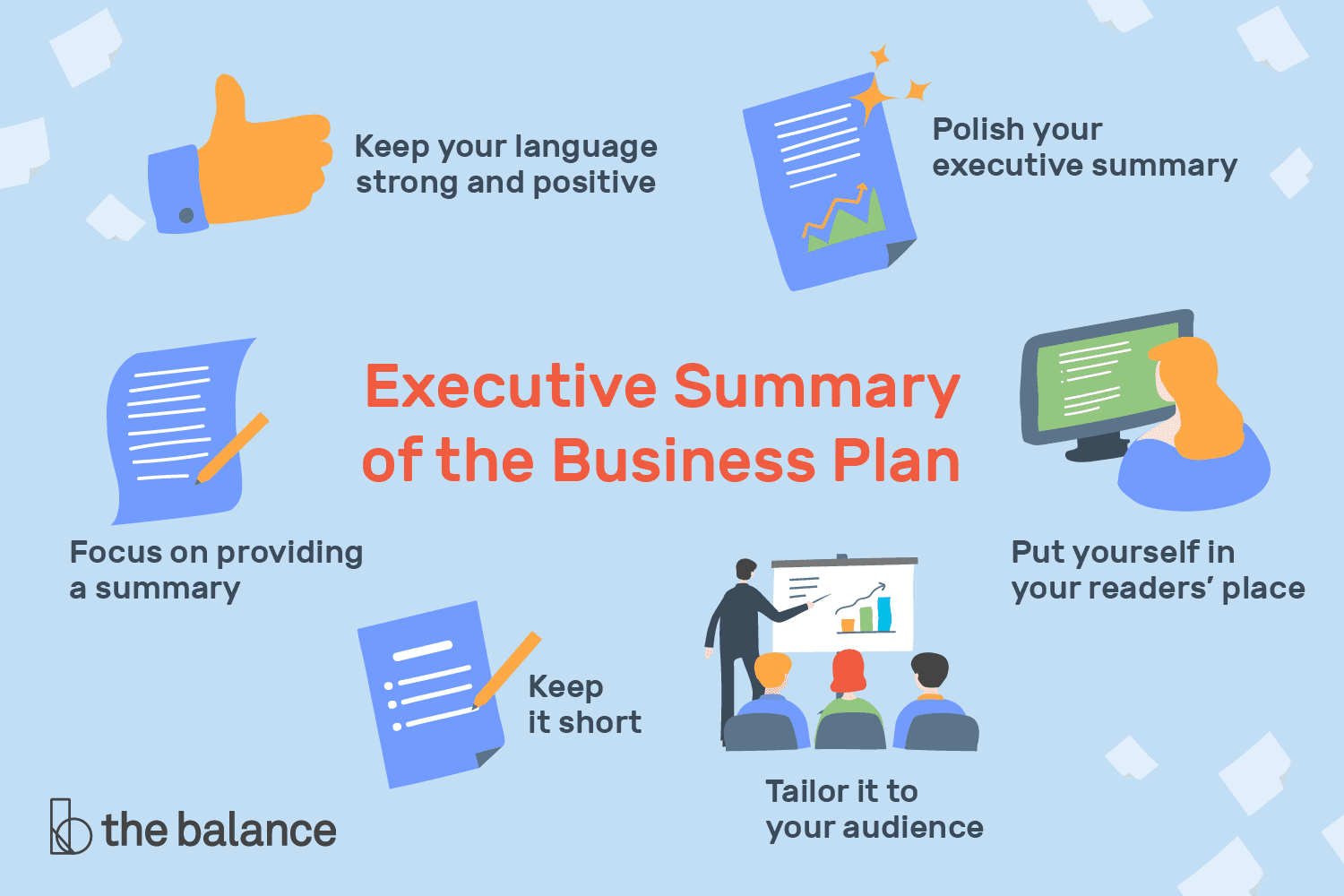 Example of a Business Plan Executive Summary (Detailed Guide, Updated!!!)
Writing an Executive Summary
First of all, keep it concise. You want to cut to the chase and get to the good stuff quickly. Aim for a page or two, max. Any longer, and you might as well be writing a novel (unless you're trying to put your reader to sleep, in which case, go for it!).
Next, focus on the main points. Don't try to jam everything in – it's like trying to stuff a whole pizza in your mouth at once (not that I've ever tried that...). Stick to the key takeaways and highlights, and save the details for the full document.
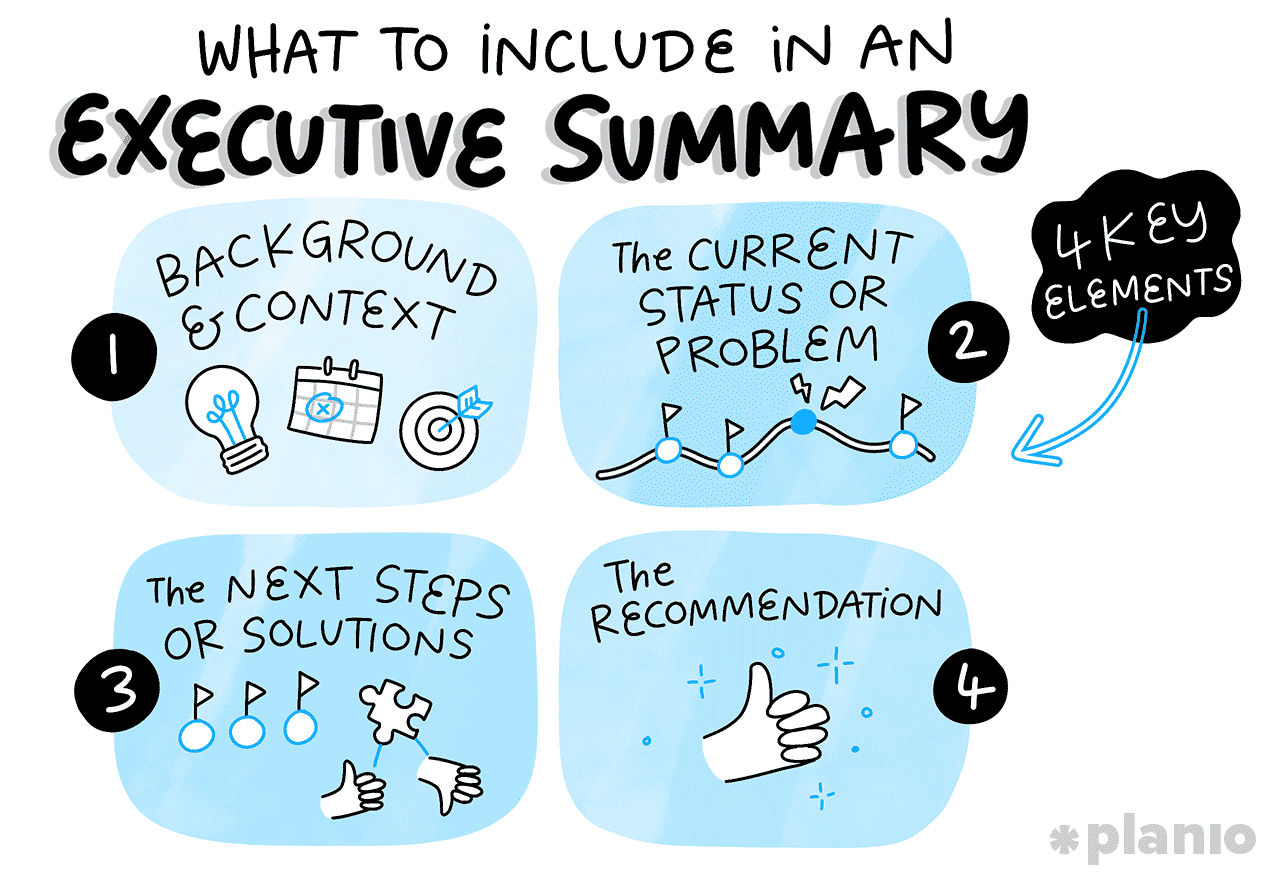 How to write an executive summary stakeholders will love | Planio
Finally, make it engaging. Use clear language, active voice, and a conversational tone. You want to draw the reader in and make them want to keep reading. And, trust me, if you can make an Executive Summary enjoyable to read, you're a rockstar!
In conclusion, an Executive Summary is not just a fancy summary – it's a power tool that can help you win over your audience and get your point across. So, next time you're sitting in a meeting, and someone mentions an Executive Summary, you can nod along with confidence and say, "Oh, yeah, I'm an expert on those!" (Just don't forget to actually write a good one, or you'll be in trouble!).
