What Is Rfq Stand For

When it comes to business and procurement, there are many abbreviations that can be confusing, but one that stands out is RFQ. This term is widely used and appreciated in vari...

When it comes to business and procurement, there are many abbreviations that can be confusing, but one that stands out is RFQ. This term is widely used and appreciated in various industries, particularly in purchasing and supply chain management. The main purpose of RFQ is to facilitate communication between buyers and suppliers, allowing them to negotiate prices, terms, and conditions of a potential purchase.
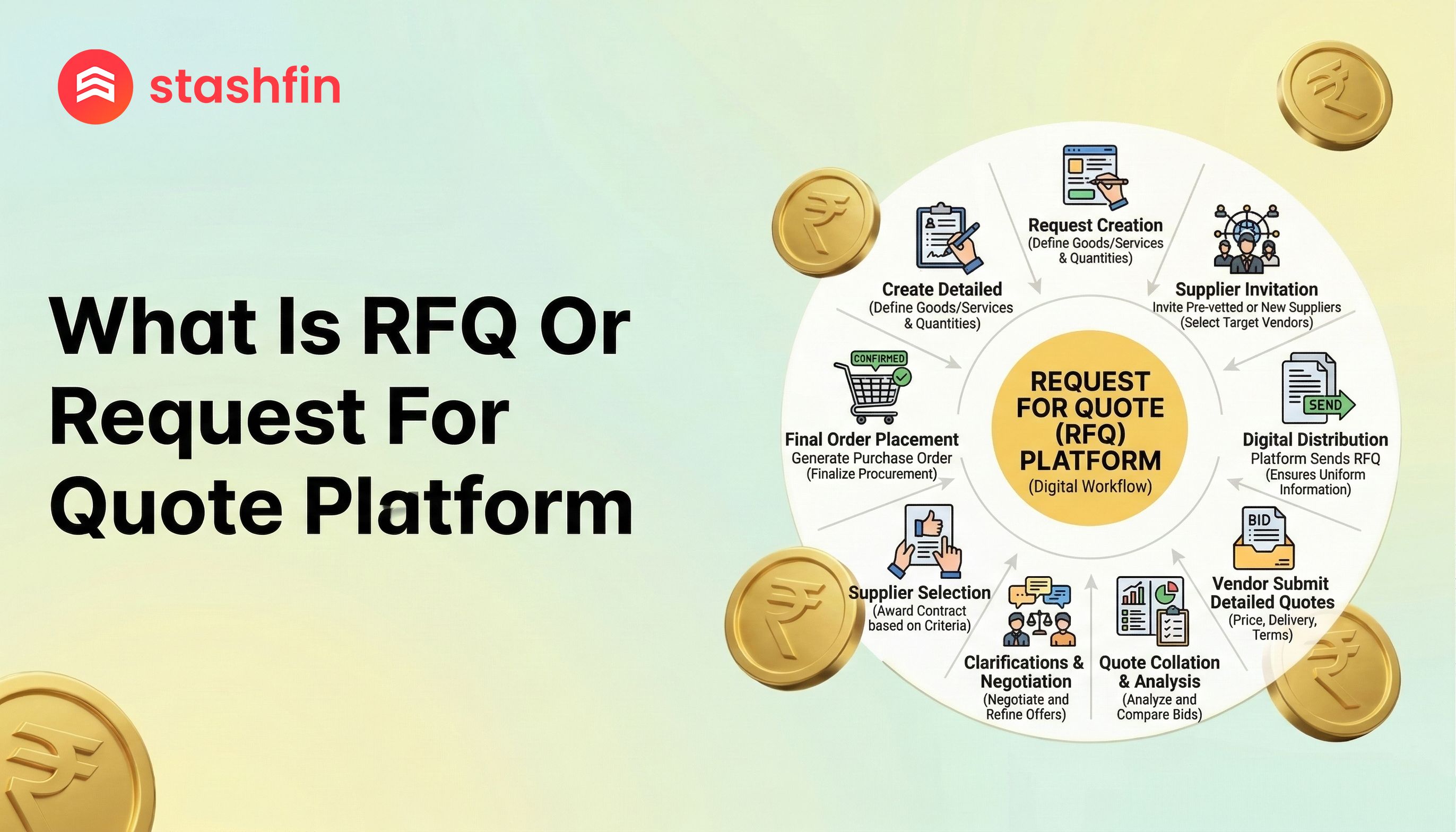
RFQ stands for Request for Quotation, which is a document that outlines the requirements and specifications of a product or service that a buyer is looking to purchase. It is usually sent to multiple suppliers, who then respond with their quotes, including prices, delivery times, and other relevant details. This process enables buyers to compare offers and make informed decisions about which supplier to choose.
The benefits of RFQ are numerous, including increased transparency, fairness, and competition among suppliers. It also allows buyers to get the best value for their money, as they can compare prices and services from different suppliers. For suppliers, RFQ provides an opportunity to showcase their products and services, and to demonstrate their capabilities and competitiveness.
Must Read
There are many variations of RFQ, including Request for Proposal (RFP) and Request for Information (RFI). While these terms are similar, they have distinct differences in terms of their purpose and scope. RFP is typically used for more complex purchases, where the buyer is looking for a customized solution, while RFI is used to gather information about a supplier's capabilities and experience.
To get started with RFQ, buyers should clearly define their requirements and specifications, and then send out the request to potential suppliers. Suppliers, on the other hand, should carefully review the RFQ document and respond with a comprehensive and competitive quote. By following these simple steps, both buyers and suppliers can benefit from the RFQ process and achieve their goals.