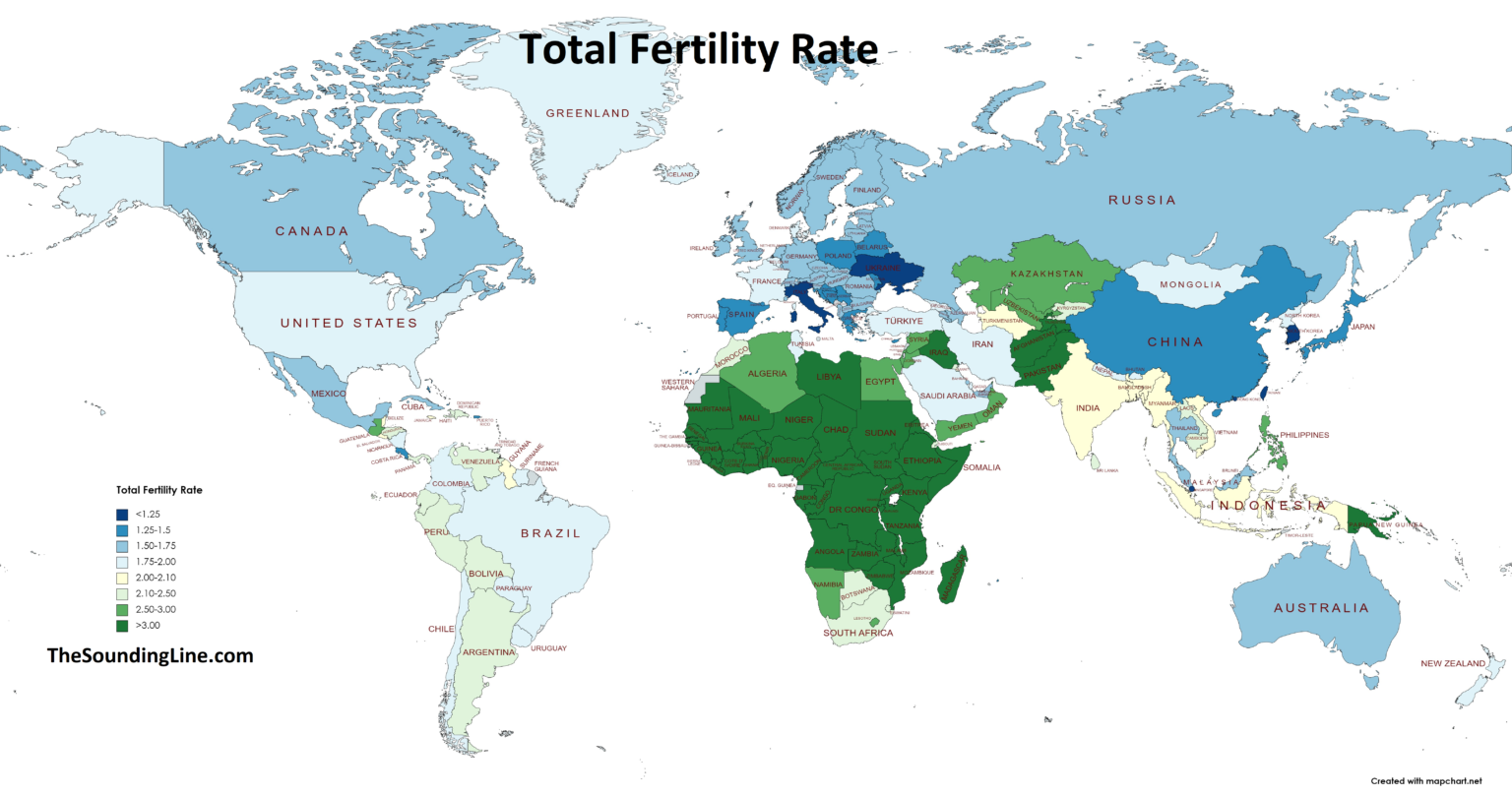
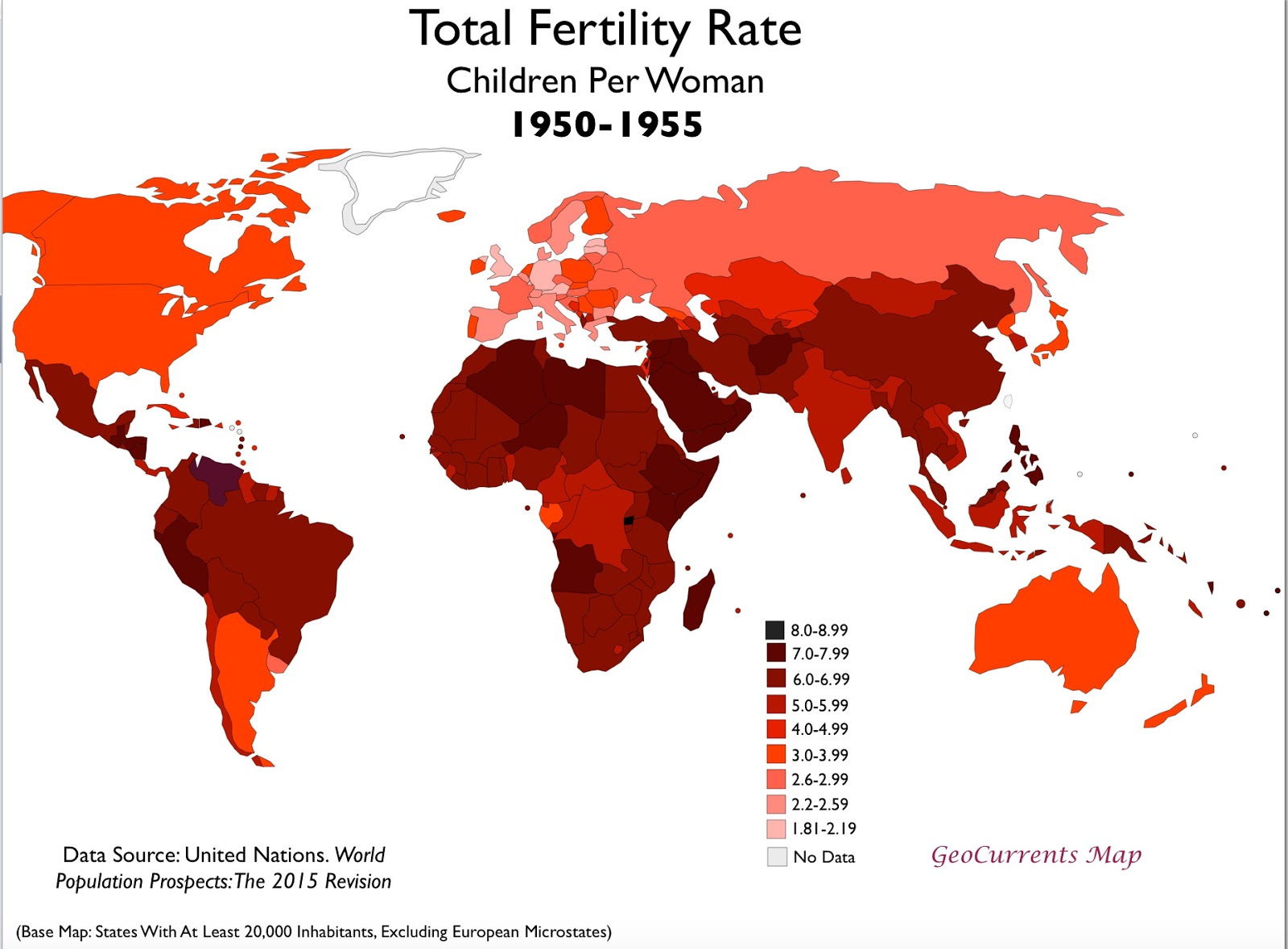
Total Fertility Rate

Welcome to the fascinating world of demographics! Understanding the total fertility rate can be a fun and insightful journey, helping us grasp the dynamics of population growt...
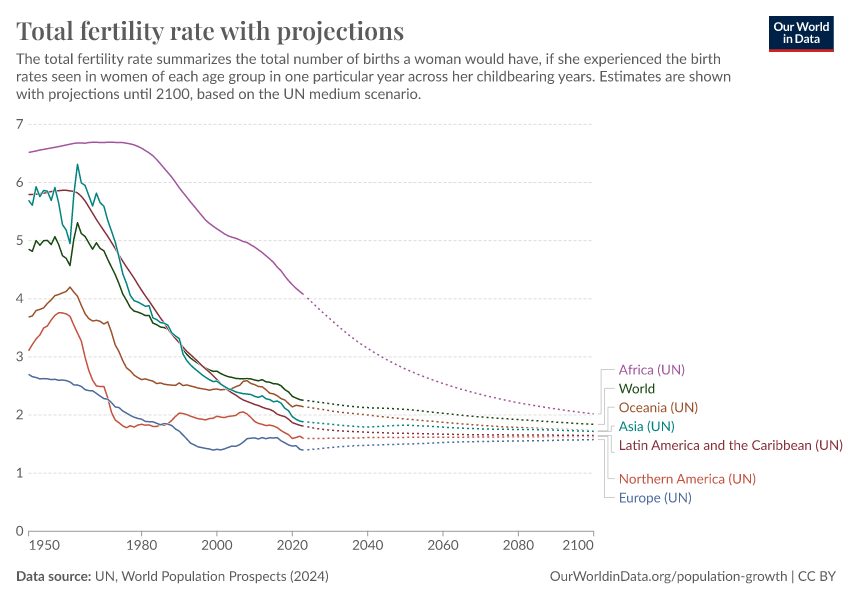
Welcome to the fascinating world of demographics! Understanding the total fertility rate can be a fun and insightful journey, helping us grasp the dynamics of population growth and its impact on society. The total fertility rate, or TFR, measures the average number of children a woman would have in her lifetime based on the current fertility rates of a population. This concept is essential for policymakers, economists, and anyone interested in understanding the future of a country or region.
The purpose of the total fertility rate is to provide a benchmark for understanding population trends and making informed decisions about resource allocation, education, and healthcare. A TFR of 2.1 is generally considered the replacement rate, meaning that a population will remain stable, neither growing nor declining, if women have an average of 2.1 children. This rate offers advantages in terms of planning for the future, as it helps anticipate the needs of a growing or aging population.
Let's consider some examples to illustrate the concept. In countries with a high TFR, such as Nigeria or India, the population is expected to continue growing, which can put pressure on resources like food, water, and housing. On the other hand, countries with a low TFR, like Japan or Italy, may face challenges related to an aging population and a shrinking workforce.
Must Read
For those interested in exploring the total fertility rate further, a practical tip is to look at the data from reputable sources like the World Bank or the United Nations. These organizations provide detailed statistics and analysis that can help you understand the trends and patterns in different countries and regions.
By understanding the total fertility rate, we can gain insights into the social and economic dynamics of a population, making it a valuable tool for anyone interested in demographics and population studies.