Synthesis Of Nanoparticles

So, you want to know about the synthesis of nanoparticles? Well, buckle up, folks, because we're about to dive into a world that's smaller than small - we're talking tiny! Nan...

So, you want to know about the synthesis of nanoparticles? Well, buckle up, folks, because we're about to dive into a world that's smaller than small - we're talking tiny! Nanoparticles are like the superheroes of the scientific world, with powers that can help us create everything from stronger materials to more efficient medicines.
But before we get into all the cool stuff, let's talk about what nanoparticles actually are. Essentially, they're teeny-tiny particles that are measured in nanometers (that's one billionth of a meter, for those who are curious!). To put that into perspective, the width of a human hair is about 80,000 nanometers - so we're talking really, really small!
The Magic of Synthesis
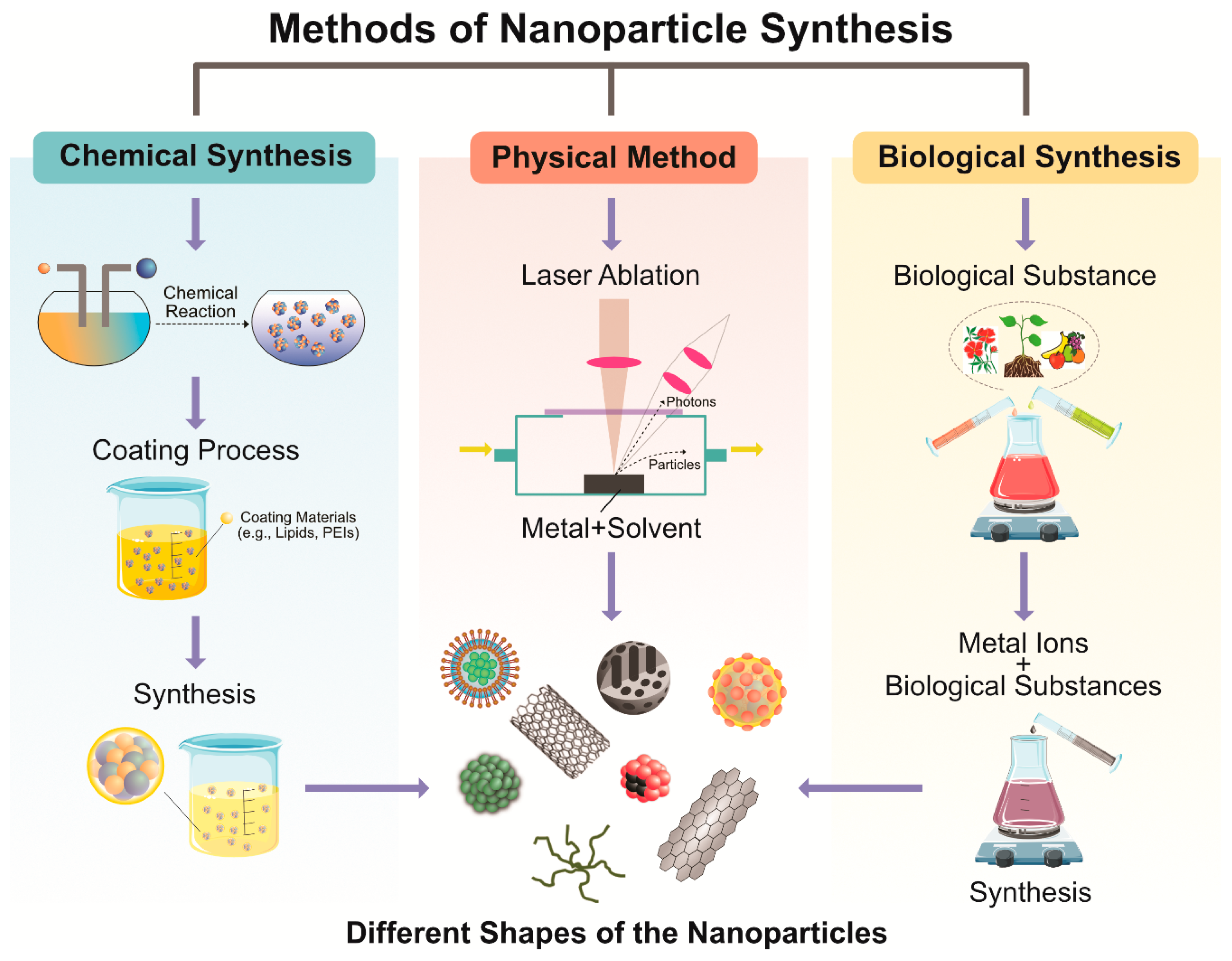
So, how do we create these nanoparticles? Well, it's not exactly magic, but it's pretty close! Scientists use a variety of techniques, including chemical reactions and physical methods, to synthesize nanoparticles. It's like baking a cake, but instead of flour, sugar, and eggs, we're using metallic salts and organic solvents!
Must Read
One of the most common methods is called sol-gel synthesis, which involves mixing a metallic salt with a solvent and then - voilà! - you get a gel-like substance that's full of nanoparticles. It's like a science experiment gone right (or wrong, depending on how you look at it!)! And the best part? We can control the size and shape of the nanoparticles by tweaking the reaction conditions - it's like playing with a super-advanced Lego set!
But here's the thing: nanoparticles are super sensitive to their environment, which means that even the slightest change in temperature or pH levels can affect their behavior. It's like they're the divas of the scientific world - they need to be handled with care and precision! And if we're not careful, they can aggregate or degrade, which is like watching a house of cards fall down - not fun!
Nanoparticles in Action
So, what can we do with these nanoparticles? Well, the possibilities are endless! We can use them to create stronger materials, like nanocomposites that are lighter and more durable than traditional materials. We can also use them to target cancer cells and deliver medicines in a more efficient way. And let's not forget about energy applications - nanoparticles can help us create more efficient solar cells and batteries!
 A Comprehensive Review on the Synthesis, Characterization, and
But here's a fun fact: did you know that nanoparticles are already being used in some everyday products, like cosmetics and food packaging? It's like they're hiding in plain sight - who knew that your favorite lip balm or plastic wrap had a secret ingredient that's one billionth of a meter in size?! And if you're wondering about the environmental impact, don't worry - scientists are working hard to make sure that nanoparticles are safe and sustainable for our planet.
And finally, let's talk about the future of nanoparticles. With the rapid advancement of technology, we can expect to see even more innovative applications in the coming years. From nanorobots that can swim through our bloodstream to nanoscale machines that can assemble themselves - the possibilities are truly mind-boggling! So, stay tuned for more updates from the world of nanoparticles - it's going to be a wild ride!
In conclusion, the synthesis of nanoparticles is a complex and fascinating field that has the potential to revolutionize various aspects of our lives. With its unique properties and applications, nanoparticles are sure to continue to capture the imagination of scientists and the general public alike. So, next time you hear about nanoparticles, remember - they may be small, but they're mighty!
