Stages Of Kohlberg's Theory Of Moral Development

Have you ever wondered how we develop our sense of right and wrong? It's a question that has puzzled philosophers and psychologists for centuries. Moral development is a compl...
Have you ever wondered how we develop our sense of right and wrong? It's a question that has puzzled philosophers and psychologists for centuries. Moral development is a complex process that helps us understand how we make decisions about what is good or bad, and one of the most influential theories in this field is Kohlberg's Theory of Moral Development.
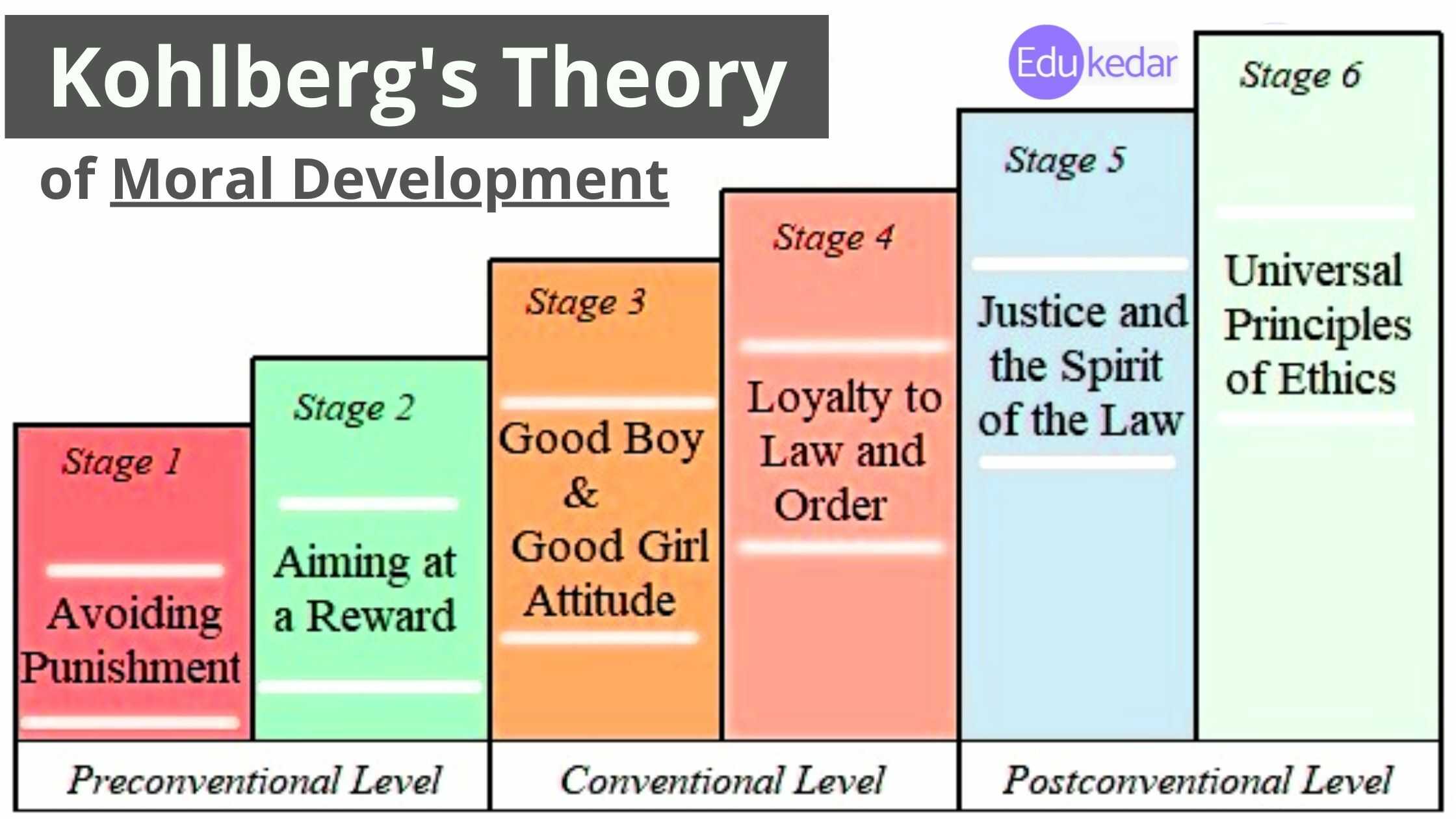
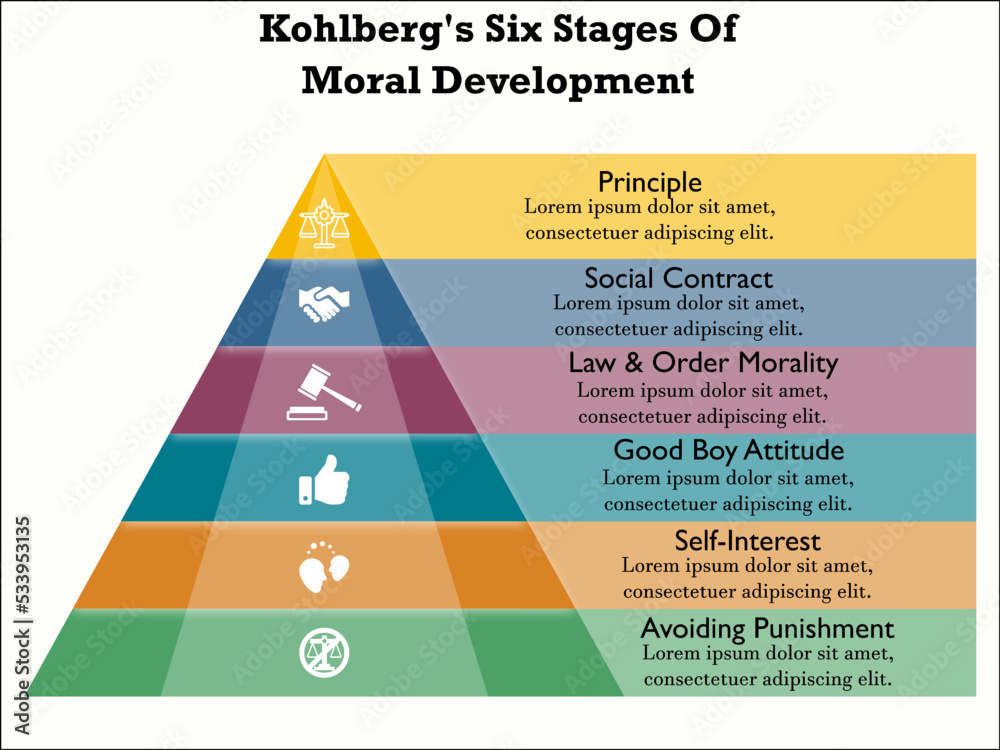
Kohlberg's theory proposes that we progress through six stages of moral development, each with its own unique characteristics. The first stage, Obedience and Punishment Orientation, is all about following rules to avoid punishment, like a child who doesn't touch the stove because they don't want to get in trouble. As we grow and develop, we begin to realize that there's more to life than just avoiding punishment.
Understanding the Stages
The second stage, Individualism and Exchange, is like a game of quid pro quo - we do something for someone because they do something for us. For example, you might help your friend move into a new apartment because they helped you move into yours last year. This stage is all about reciprocity and getting something in return for our actions.
Must Read
The next stage, Good Interpersonal Relationships, is where we start to think about how our actions affect others. Imagine you're at a dinner party and you want to tell a joke, but you realize it might hurt someone's feelings - at this stage, you'd choose not to tell the joke to avoid hurting someone. We start to prioritize harmony and social norms over our own desires.
The Law and Order Orientation stage is all about following the rules and doing our duty. It's like being a responsible citizen who pays taxes and follows traffic laws because we believe it's the right thing to do. We start to see the importance of social order and rules in maintaining a functioning society.
Higher Stages of Moral Development
The fifth stage, Social Contract and Individual Rights, is where we start to question the rules and think about what's truly just. Imagine you're part of a community that's fighting for a new park - you'd argue that the community has a right to green spaces and that it's essential for their well-being. We start to prioritize individual rights and social justice over blind obedience to rules.
 Lawrence Kohlberg: The Six Stages Of Moral Development – IEYHQ
The final stage, Universal Principles, is where we develop a sense of moral principles that guide our actions. It's like being a hero who risks their own life to save someone else, not because of a rule or expectation, but because it's the
So, why should we care about Kohlberg's theory? Understanding the stages of moral development can help us become better versions of ourselves. By recognizing where we are in our own moral development, we can strive to become more empathetic, more just, and more principled in our daily lives. It's a journey of growth and self-improvement that can enrich our relationships and transform our communities.
As we navigate the complexities of life, Kohlberg's theory reminds us that moral development is a lifelong process. It's a journey of discovery, reflection, and growth. By embracing this journey, we can cultivate a stronger sense of morality and become the best version of ourselves. So, take a moment to reflect on your own moral development - you might be surprised at how far you've come, and how far you can still grow.
Ultimately, Kohlberg's theory is not just about understanding how we develop morally - it's about living a life of purpose and meaning. It's about embracing our values and principles, and using them to guide our actions. By doing so, we can create a more just and compassionate world, one small step at a time.
