Solar System Simulator

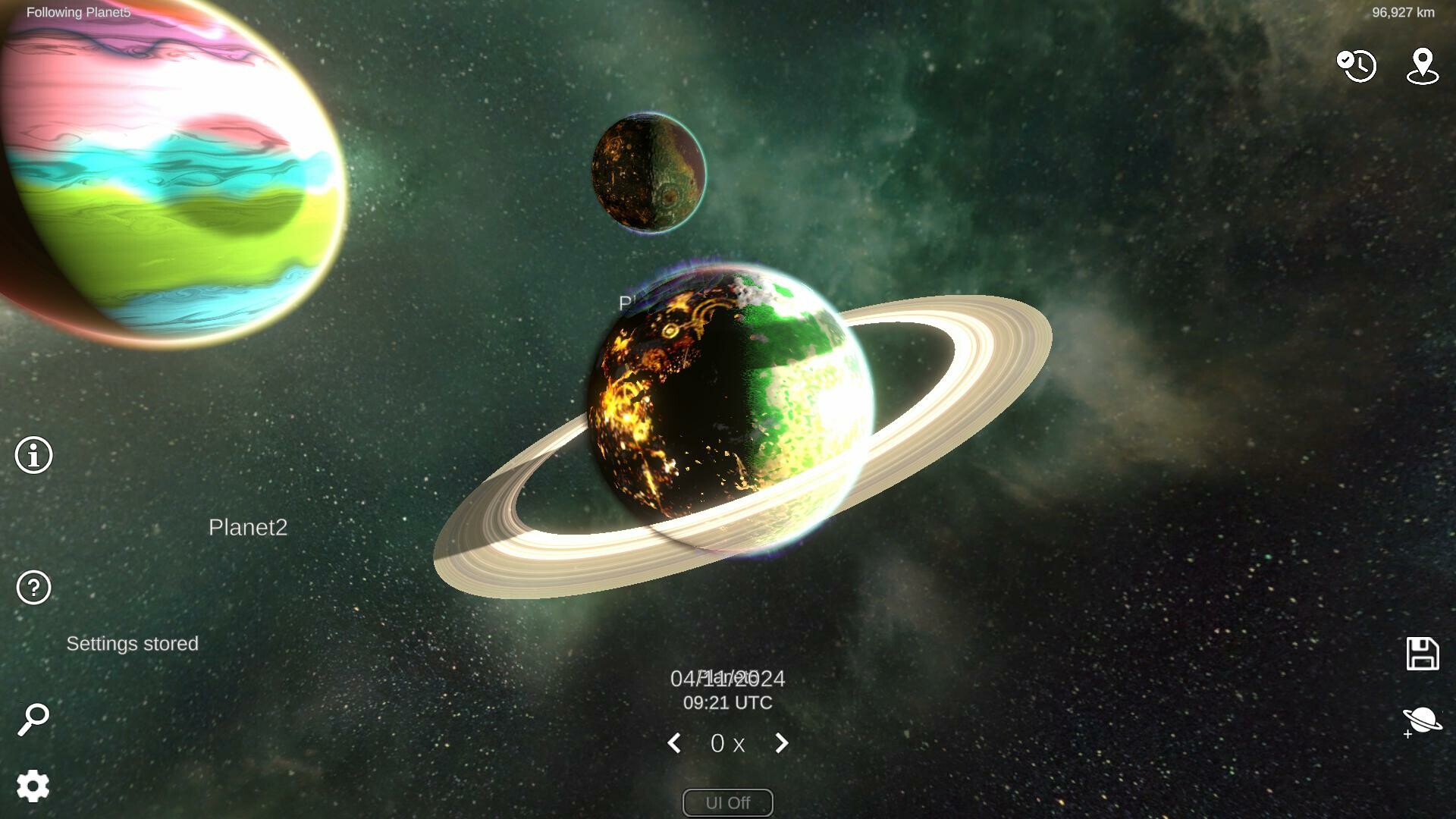
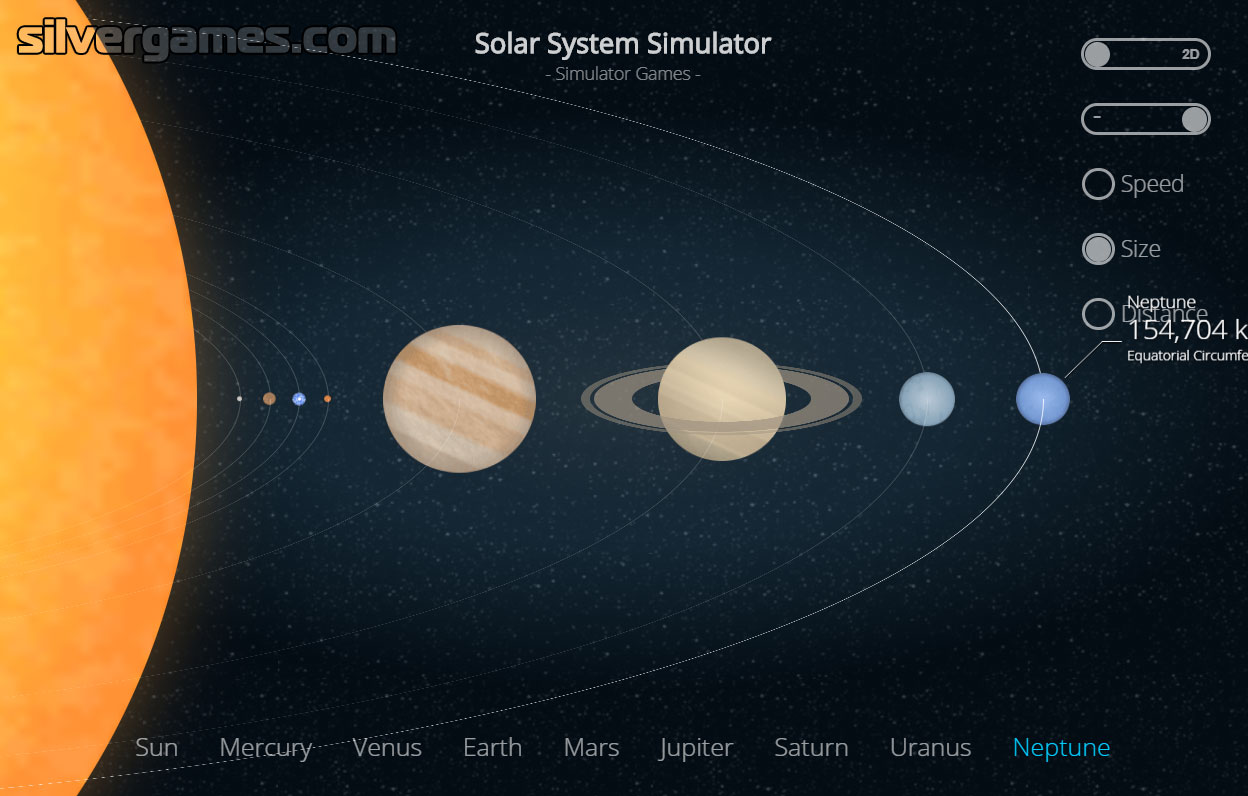
Get ready to blast off into the cosmos with a Solar System Simulator! This amazing tool is not only fun to use, but it's also educational and helpful for anyone interested in...
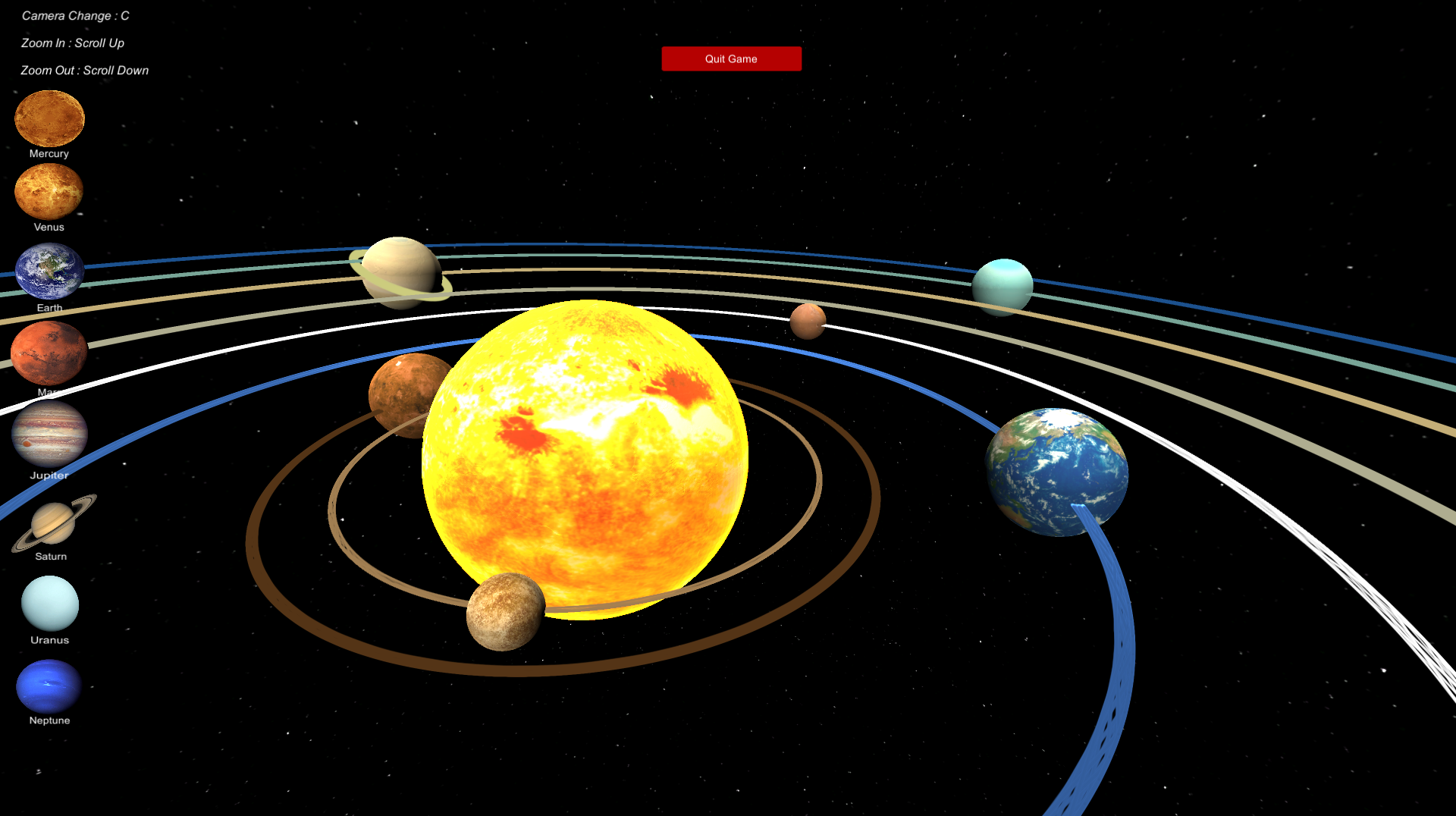
Get ready to blast off into the cosmos with a Solar System Simulator! This amazing tool is not only fun to use, but it's also educational and helpful for anyone interested in learning about our celestial neighborhood. The purpose of a Solar System Simulator is to model the motions of the planets, moons, and other objects in our solar system, allowing users to explore and understand the relationships between these celestial bodies.
The advantages of using a Solar System Simulator are numerous. For instance, it can enhance learning experiences for students, making complex concepts more accessible and engaging. Additionally, it can be a valuable tool for researchers and astronomers to test hypotheses and make predictions about celestial events.
One of the most exciting aspects of a Solar System Simulator is the ability to experiment with different scenarios. For example, users can simulate a total solar eclipse or model the orbits of exoplanets. This allows for a deeper understanding of the dynamics at play in our solar system and beyond.
Must Read
For those interested in trying out a Solar System Simulator, there are many online resources available that offer user-friendly interfaces and tutorials. Some popular options include NASA's Eyes on the Solar System and the OpenSource simulator, Celestia.
To get the most out of a Solar System Simulator, it's essential to have a basic understanding of astronomy and physics. However, many simulators offer guided tours and interactive lessons to help users learn as they explore.