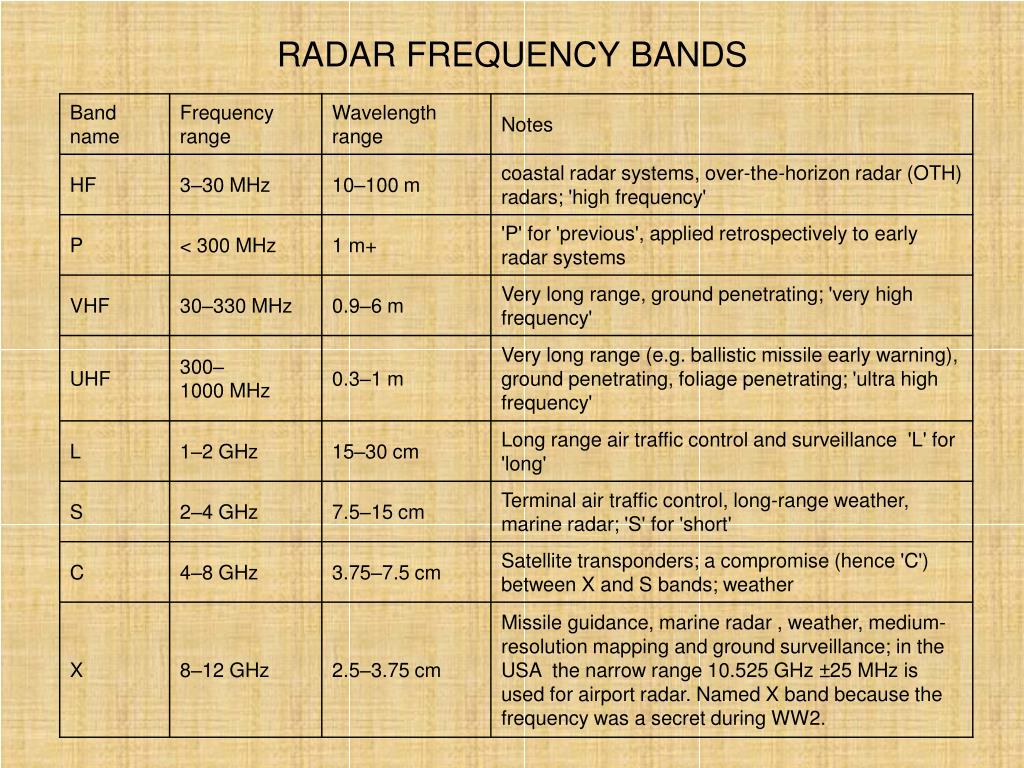
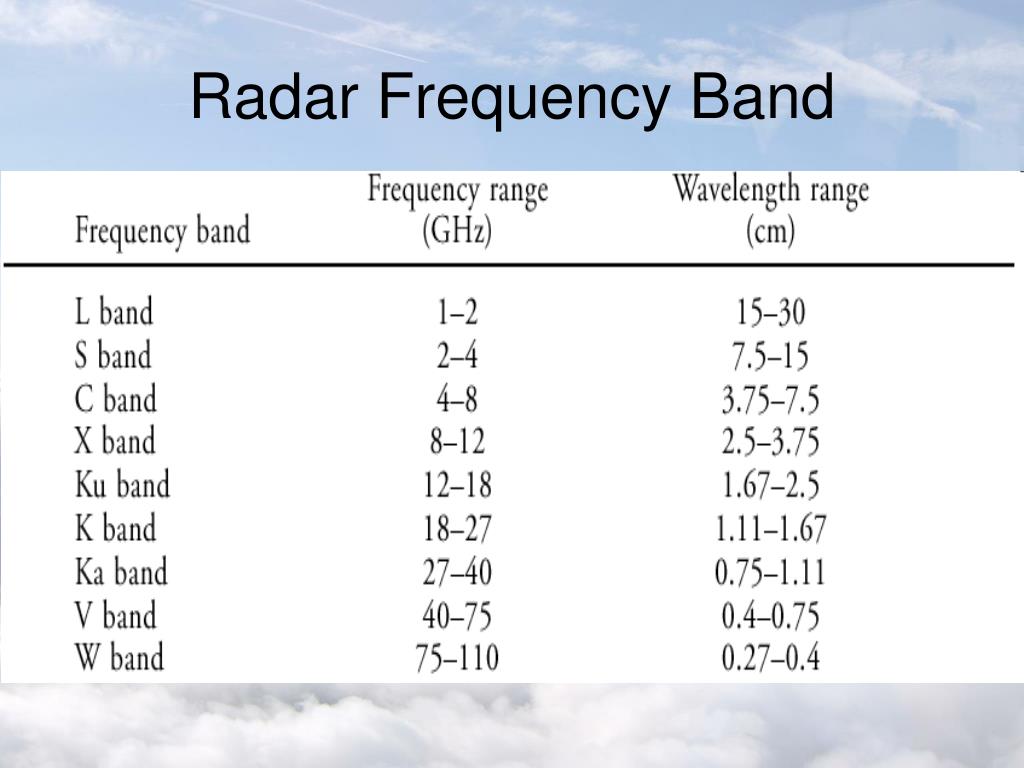
Radar Frequency Bands

Radar frequency bands have become an essential part of our daily lives, enabling us to navigate through the world with ease and safety. The key purpose of radar frequency band...
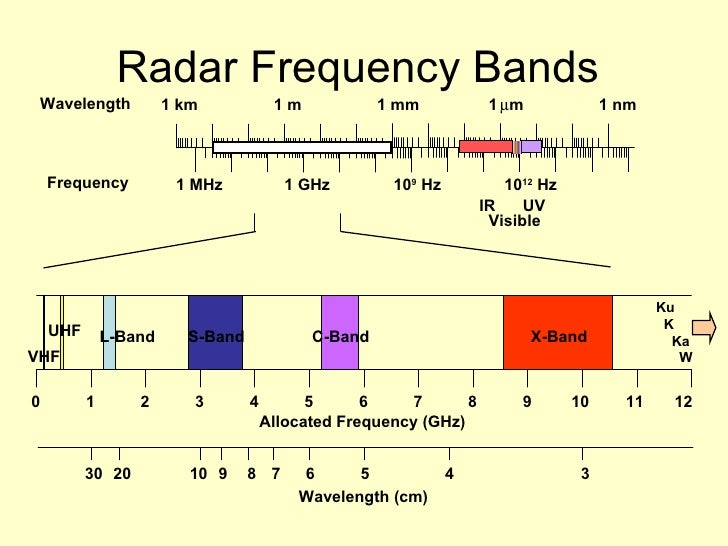
Radar frequency bands have become an essential part of our daily lives, enabling us to navigate through the world with ease and safety. The key purpose of radar frequency bands is to detect and track objects, providing accurate information about their location, speed, and direction. This technology has numerous benefits for everyday life, ranging from weather forecasting to air traffic control.
In the context of aviation, radar frequency bands play a crucial role in ensuring the safety of flights. By monitoring air traffic, radar systems can prevent collisions and provide real-time information to pilots and air traffic controllers. For instance, during a thunderstorm, radar frequency bands can help pilots avoid turbulent areas and navigate through safe zones.
Radar frequency bands also have a significant impact on weather forecasting. By using different frequencies, meteorologists can analyze weather patterns, predict storms, and warn people about potential dangers. This technology has saved countless lives and has become an essential tool for emergency management.
Must Read
In addition to their practical applications, radar frequency bands have also fascinated people with their technical aspects. For those interested in exploring this topic further, it is recommended to start with the basics and learn about the different frequency bands, such as L-band and X-band.
By understanding radar frequency bands, people can appreciate the complexity and importance of this technology in their daily lives. Whether it's navigation, weather forecasting, or emergency management, radar frequency bands have become an integral part of our modern world.