Organ On Chip Models

So, you know how scientists are always trying to figure out how our bodies work? Well, they've come up with a pretty cool way to do it - Organ On Chip Models. These tiny chips...
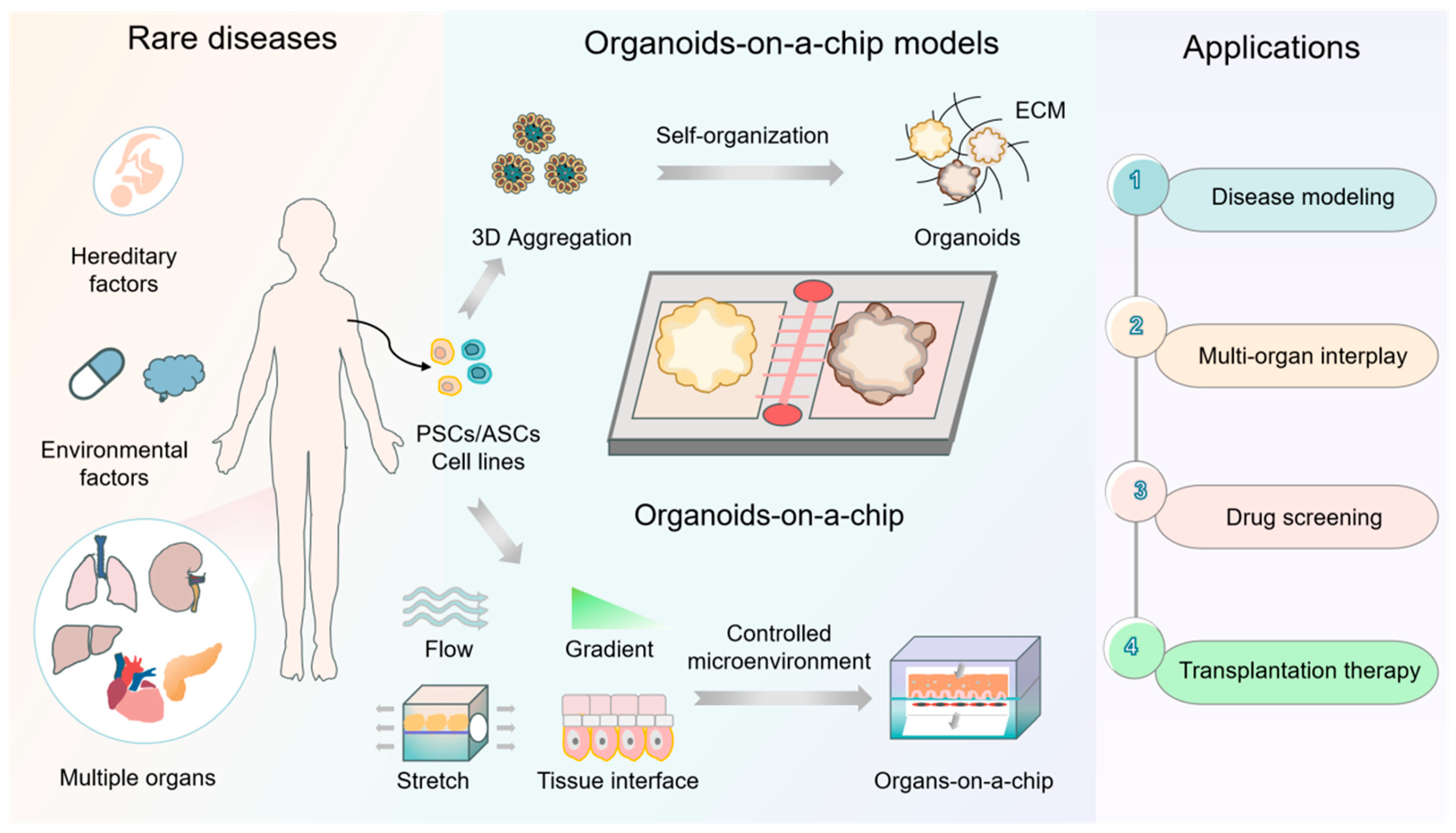
So, you know how scientists are always trying to figure out how our bodies work? Well, they've come up with a pretty cool way to do it - Organ On Chip Models. These tiny chips are like miniature laboratories that mimic the behavior of our organs, and it's totally blowing my mind!
Imagine being able to test new medicines or study diseases without having to use actual humans or animals - it's like a win-win for everyone! The liver chip, for example, can mimic the way our livers process toxins, which is super important for developing new treatments. And the best part? It's about the size of a postage stamp!
The Magic of Microfluidics
So, how do these tiny chips work their magic? It's all thanks to microfluidics, which is just a fancy way of saying "really small pipes". These pipes are so small that they can mimic the way blood flows through our veins, which is essential for keeping our organs healthy. It's like a tiny, intricate highway system - who knew science could be so cool?
Must Read
But what's even more amazing is that these chips can be used to study all sorts of diseases, from Alzheimer's to cancer. Scientists can use them to test new treatments, see how diseases progress, and even try to find new ways to prevent them. It's like having a tiny, super-powerful tool in the fight against disease!
And did you know that Organ On Chip Models are not just limited to human organs? Scientists are also using them to study the behavior of bacteria and other microorganisms, which can help us develop new antibiotics and treatments. It's like a whole new world of scientific discovery has opened up!
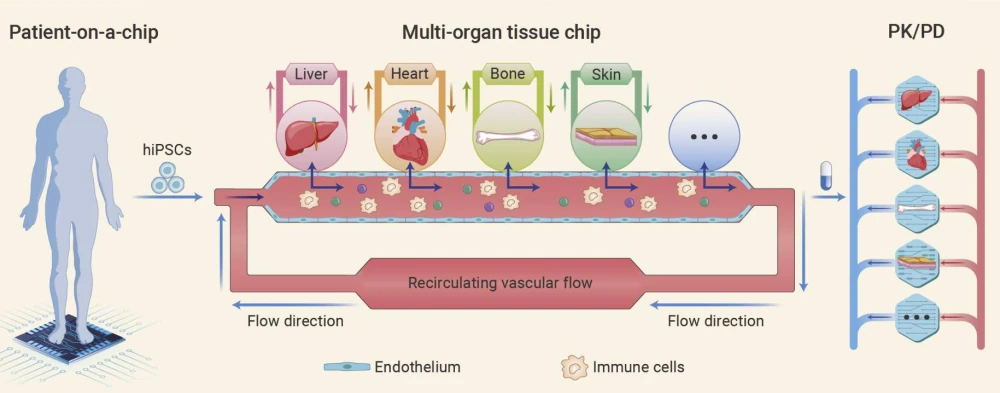 Organ-on-a-Chip Technology: Advancing Beyond Animal Testing in Drug Trials
The Future is Now
So, what does the future hold for these tiny chips? Well, for starters, they could revolutionize the way we develop new medicines. Imagine being able to test a new drug on a heart chip before it even goes to human trials - it's like having a crystal ball! And with the help of artificial intelligence, scientists can analyze the data from these chips faster and more accurately than ever before.
But here's the thing: Organ On Chip Models are not just limited to the lab. They could also be used in personalized medicine, where doctors can use them to tailor treatments to individual patients. It's like having a tiny, personalized laboratory that can help you get the best treatment possible - talk about high-tech healthcare!
 Examples of organ-on-a-chip models. (A) The schematic representation of
And if you thought all this was cool, wait until you hear about the Gut-On-A-Chip! It's like a tiny, simulated gut that can help scientists study the behavior of our digestive system. Who knew our guts were so fascinating? Okay, maybe that's just me, but still - it's pretty amazing stuff!
So there you have it - Organ On Chip Models are the future of science, and they're here to stay. With their tiny pipes, simulated organs, and endless possibilities, they're like the ultimate super-tool for scientists. And who knows - maybe one day we'll have a Brain-On-A-Chip that can help us figure out how to make the perfect joke... a scientist can dream, right?
