Mortgage Backed Securitization

So, have you ever wondered how banks and other financial institutions manage to provide mortgages to so many people? It's a pretty complex process, but one of the key factors...
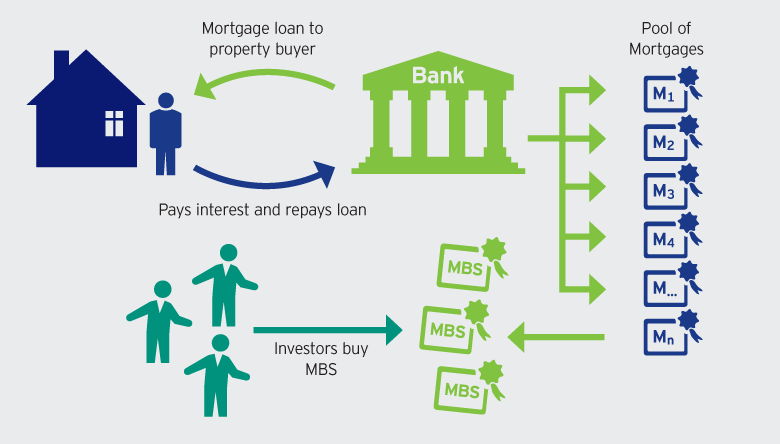
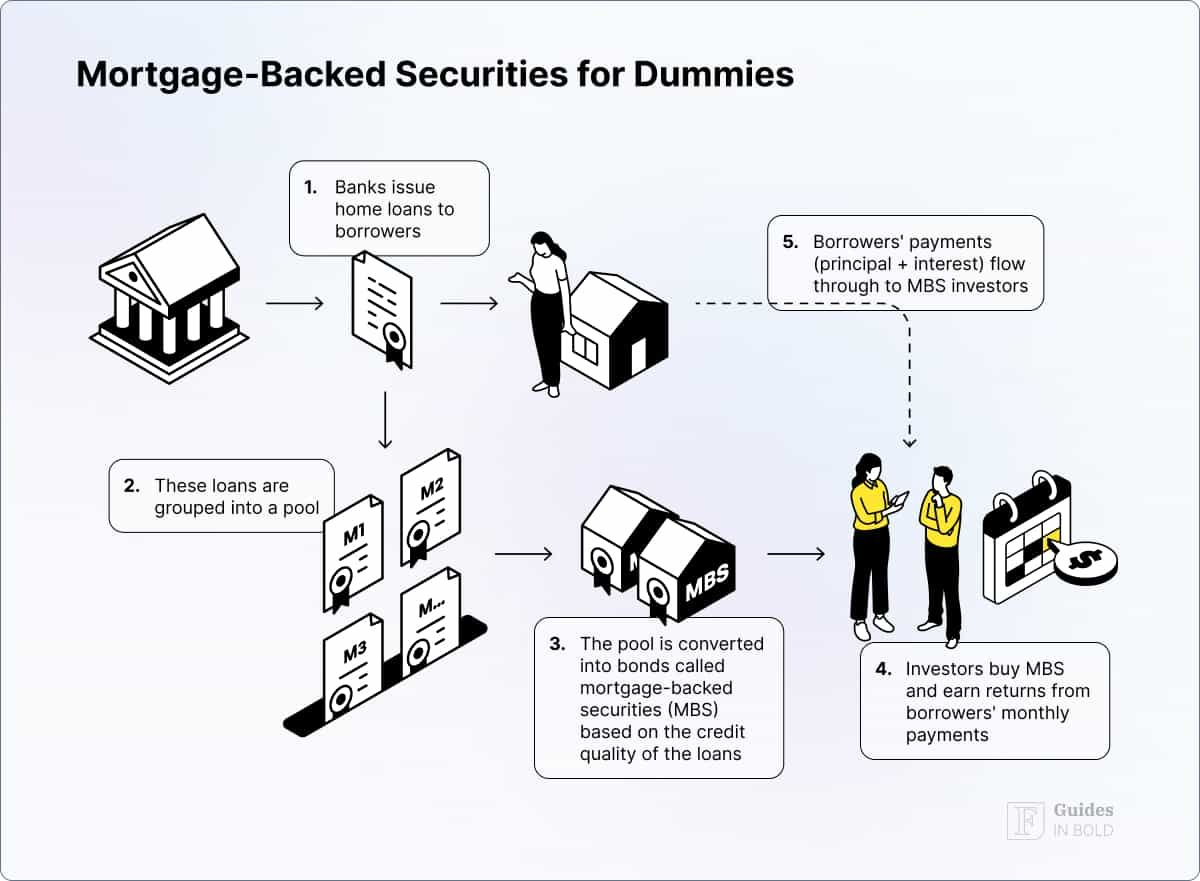
So, have you ever wondered how banks and other financial institutions manage to provide mortgages to so many people? It's a pretty complex process, but one of the key factors is mortgage-backed securitization. This concept allows banks to package multiple mortgages into a single financial instrument, which can then be sold to investors - but what does that really mean?
Think of it like a big box of chocolates, where each chocolate represents a individual mortgage. Just as you might buy a box of assorted chocolates, investors buy these packaged mortgages, which are essentially securities backed by the value of the mortgages themselves. But, instead of getting a sweet treat, investors get a steady stream of income from the interest payments made by the homeowners.
How it works
Imagine you're at a big party, and everyone is chipping in to buy a big house. In a way, that's what's happening with mortgage-backed securitization - multiple investors are pooling their resources to buy a portfolio of mortgages. This allows banks to free up capital, which they can then use to issue new mortgages to more people, creating a kind of financial ripple effect.
Must Read
The process involves several key players, including originators (like banks), servicers (who collect payments), and rating agencies (who evaluate the risk of the securities). These players work together to create a financial ecosystem that supports the mortgage market, and allows people to buy homes they might not have been able to afford otherwise. But, have you ever stopped to think about the math behind it all?
It's actually pretty fascinating - the value of the securities is determined by the cash flows from the underlying mortgages, which are based on interest rates, loan terms, and other factors. This creates a complex web of financial relationships that can be tricky to navigate, but also offers opportunities for investors to diversify their portfolios and potentially earn higher returns. So, why is this concept so cool?
For one thing, mortgage-backed securitization has democratized access to credit, allowing more people to buy homes and achieve their dreams of homeownership. It's also created a global market for mortgage-backed securities, which can be traded and sold like other financial instruments. But, what about the risks involved - like the potential for defaults and market fluctuations?
 The Great Recession Explained (2007-2009) | Economic Downturn
Risks and rewards
Just like any other investment, mortgage-backed securities come with their own set of pros and cons. On the one hand, they offer a relatively stable source of income and can provide diversification benefits for investors. On the other hand, they're exposed to credit risk (the risk that borrowers will default) and interest rate risk (the risk that changes in interest rates will affect the value of the securities). So, how do investors balance these risks?
One way is by using credit enhancements, such as insurance or subordination (where some investors agree to take on more risk than others). This can help mitigate the risks and make the securities more attractive to a wider range of investors. But, what about the bigger picture - how does mortgage-backed securitization fit into the overall financial landscape?
It's actually a key part of the global financial system, allowing banks to recycle capital and support the housing market. This, in turn, can have a positive impact on the economy, by creating jobs and stimulating growth. So, the next time you hear about mortgage-backed securitization, remember that it's not just a boring financial concept - it's a powerful tool that can help people achieve their dreams of homeownership and support the overall health of the economy.
