Heat Flow Measurement

Have you ever stopped to think about how heat moves through the world around us? I mean, we all know that heat transfer is a thing, but have you ever really considered how it...

Have you ever stopped to think about how heat moves through the world around us? I mean, we all know that heat transfer is a thing, but have you ever really considered how it works? From the warmth of a crackling fire to the chill of a winter breeze, heat is always on the move.
So, what is heat flow measurement, and why is it so important? In a nutshell, it's the process of tracking how heat moves from one place to another, and it's used in everything from designing more efficient buildings to optimizing fancy solar panels. It's pretty cool to think about how this technology can help us create more sustainable and comfortable living spaces.
How Does it Work?
Essentially, heat flow measurement involves using special devices to track the movement of heat energy as it flows through different materials and environments. It's kind of like tracking a heat wave as it ripples through a pool of water, or watching how a hot cup of coffee warms up a cold surface. By monitoring this process, scientists and engineers can gain a deeper understanding of how heat behaves in different situations.
Must Read
One of the most interesting things about heat flow measurement is the way it can help us save energy and reduce waste. By optimizing the way heat moves through buildings and devices, we can cut down on the amount of energy needed to keep things running smoothly. It's like finding the perfect sweet spot for your thermostat, but on a much bigger scale.
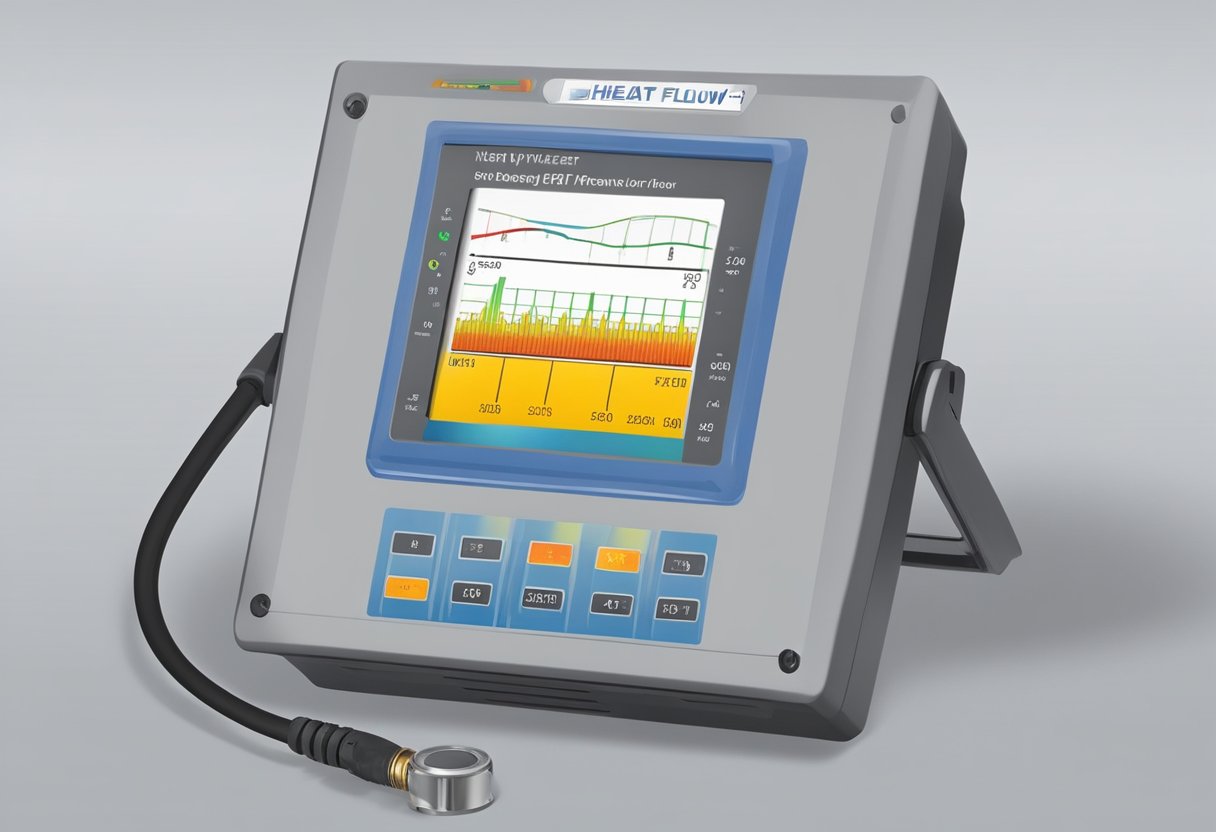 Heat Flow Meter Analyser: A Comprehensive Guide - zeal
But heat flow measurement isn't just limited to practical applications – it's also used to study some really cool phenomena in nature. For example, scientists use heat flow measurement to study volcanic activity and the movement of thermal currents in the ocean. It's like being a heat detective, searching for clues about the hidden patterns and processes that shape our world.
Real-World Applications
So, what are some real-world examples of heat flow measurement in action? Well, for one thing, it's used in the design of energy-efficient buildings, where it helps architects and engineers create structures that are both comfortable and sustainable. It's also used in the development of renewable energy technologies, like solar panels and thermal energy storage systems.
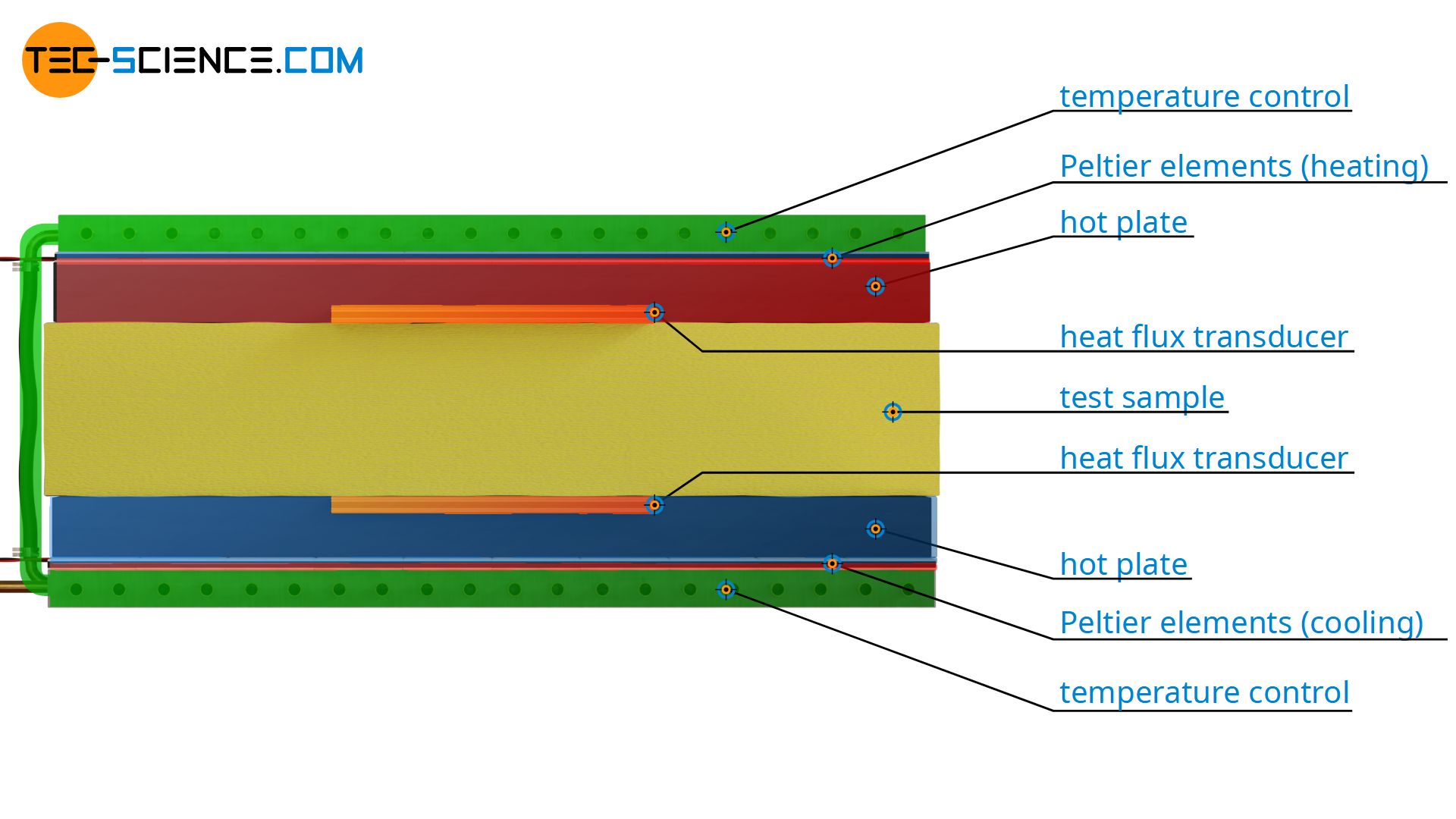 Thermal Conductivity Of Elements
But that's not all – heat flow measurement is also used in some more unexpected areas, like food processing and medical research. For example, scientists use heat flow measurement to study the thermal properties of different foods, and to develop new medical imaging technologies that can help doctors detect diseases more effectively. It's like having a superpower that lets you see the hidden patterns of heat energy at work in the world.
As we continue to explore and develop new technologies, heat flow measurement is likely to play an increasingly important role. Whether it's helping us create more sustainable energy systems, or simply allowing us to better understand the world around us, this fascinating field is sure to remain a hot topic for years to come. So, next time you feel the warmth of a sunny day or the chill of a cold night, remember the amazing world of heat flow measurement that's working behind the scenes to make it all happen.
