Computer Integrated Manufacturing History

Let's take a step back and think about how far we've come in terms of manufacturing. Remember the old days when products were made by hand, one by one, with a lot of time and...
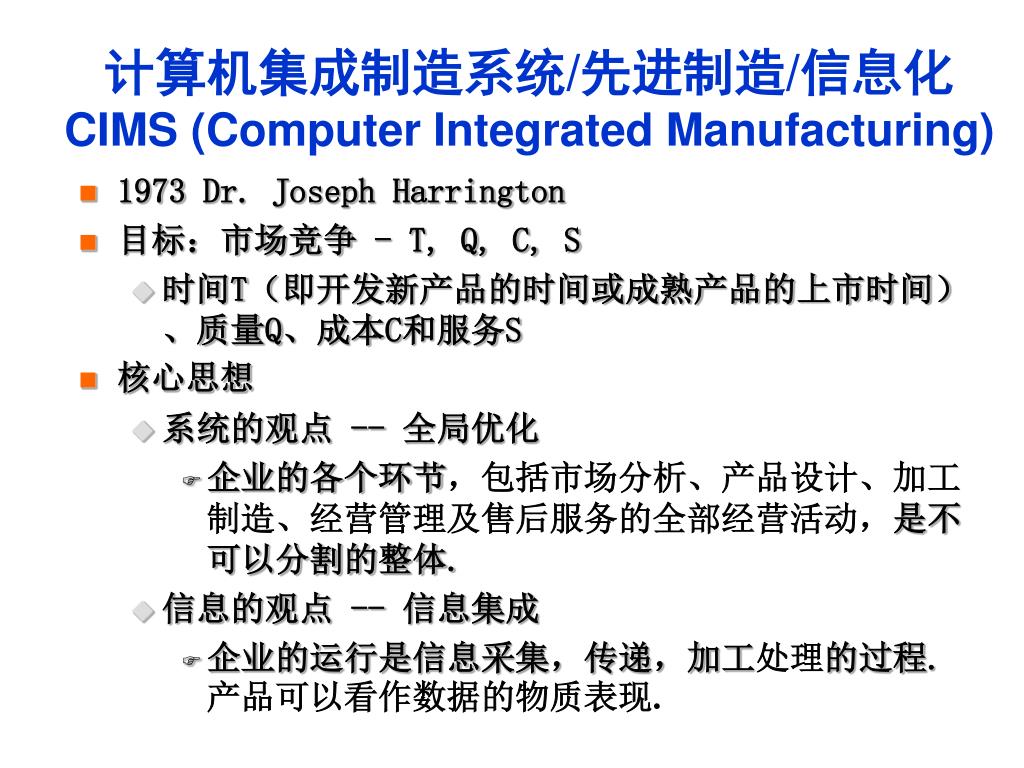
Let's take a step back and think about how far we've come in terms of manufacturing. Remember the old days when products were made by hand, one by one, with a lot of time and effort? With the introduction of Computer Integrated Manufacturing (CIM), the game changed completely, making it possible to produce goods faster, more efficiently, and with greater precision.
In the 1960s and 1970s, the first computers were used in manufacturing, mainly for simple tasks like accounting and inventory management. But as technology advanced, so did the role of computers in manufacturing, leading to the development of CIM systems. These systems integrated various manufacturing processes, such as design, production, and quality control, into one seamless workflow.
A brief history
The concept of CIM was first introduced in the 1970s, but it wasn't until the 1980s that it started to gain traction. This was largely due to the introduction of Computer-Aided Design (CAD) software, which allowed designers to create digital models of products. As CAD technology improved, it became possible to link design, manufacturing, and quality control processes, creating a more streamlined and efficient production process.
Must Read
Imagine you're at a restaurant, and you order a customized burger with all your favorite toppings. With CIM, it's like the chef has a magic recipe book that tells them exactly how to make your burger, with all the ingredients and instructions laid out in a specific order. This is similar to how CIM systems work, using digital instructions to guide the manufacturing process, ensuring that products are made consistently and to high standards.
One of the key benefits of CIM is its ability to reduce errors and increase productivity. By automating many manufacturing processes, CIM systems can minimize the risk of human error, which can be costly and time-consuming to fix. For example, in the automotive industry, CIM systems are used to weld car parts together with incredible precision, ensuring that every car that rolls off the production line meets the highest quality standards.
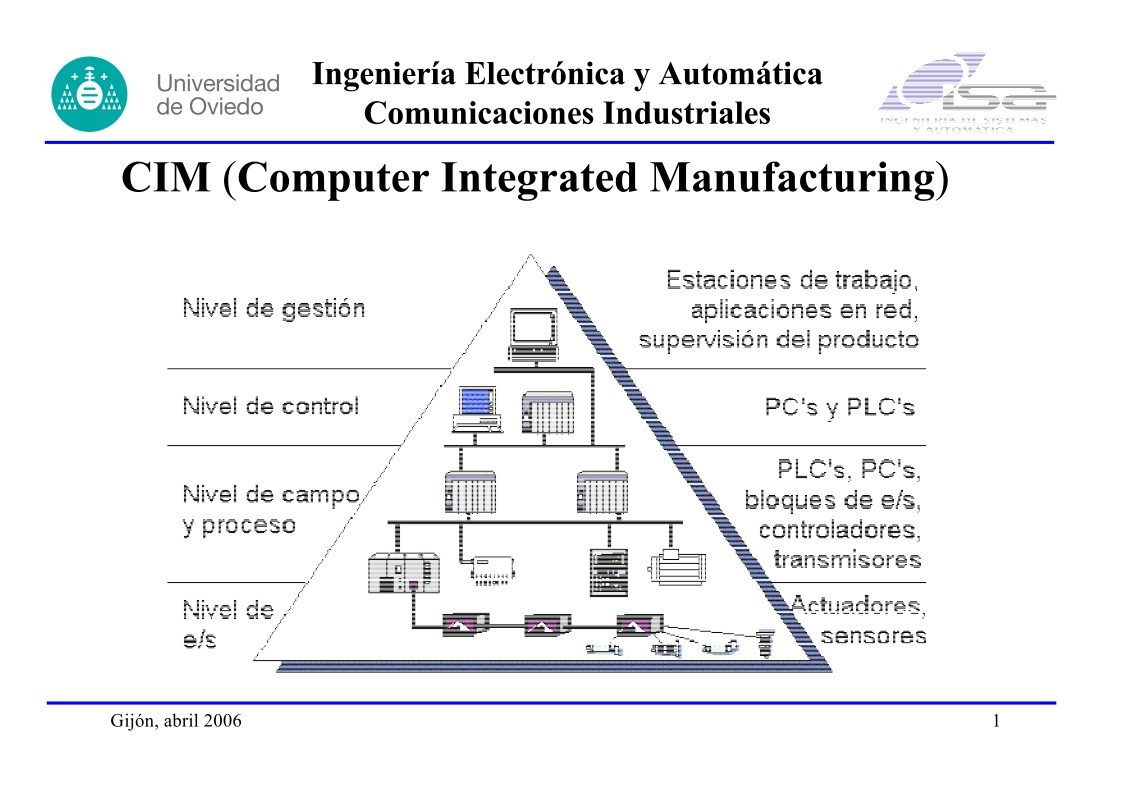 PDF de programación - CIM (Computer Integrated Manufacturing)
Why you should care
So, why should you care about Computer Integrated Manufacturing? Well, for starters, it's behind many of the products you use every day, from your smartphone to your car. CIM has made it possible to produce these products quickly, efficiently, and at a lower cost, which means you get to enjoy the benefits of innovation without breaking the bank. Plus, as CIM technology continues to evolve, it's likely to lead to even more exciting developments in the future, such as customized products and sustainable manufacturing practices.
As consumers, we often take for granted the complexity and sophistication that goes into making the products we use. But the next time you pick up a product, remember the computer-integrated manufacturing system that worked tirelessly behind the scenes to bring it to life. From design to production, CIM has revolutionized the way we make things, and its impact will only continue to grow in the years to come.
In conclusion, Computer Integrated Manufacturing has come a long way since its inception, and its impact on our daily lives is undeniable. Whether you're a tech enthusiast or just someone who appreciates the convenience of modern products, CIM is definitely worth learning more about. So, next time you hear someone mention CIM, you'll know that it's not just a fancy term, but a revolution in manufacturing that's changing the world, one product at a time.
