Bioelectrical Impedance Measurement

Many people are fascinated by the concept of bioelectrical impedance measurement, a non-invasive technique that helps individuals track their health and wellness. The key purp...

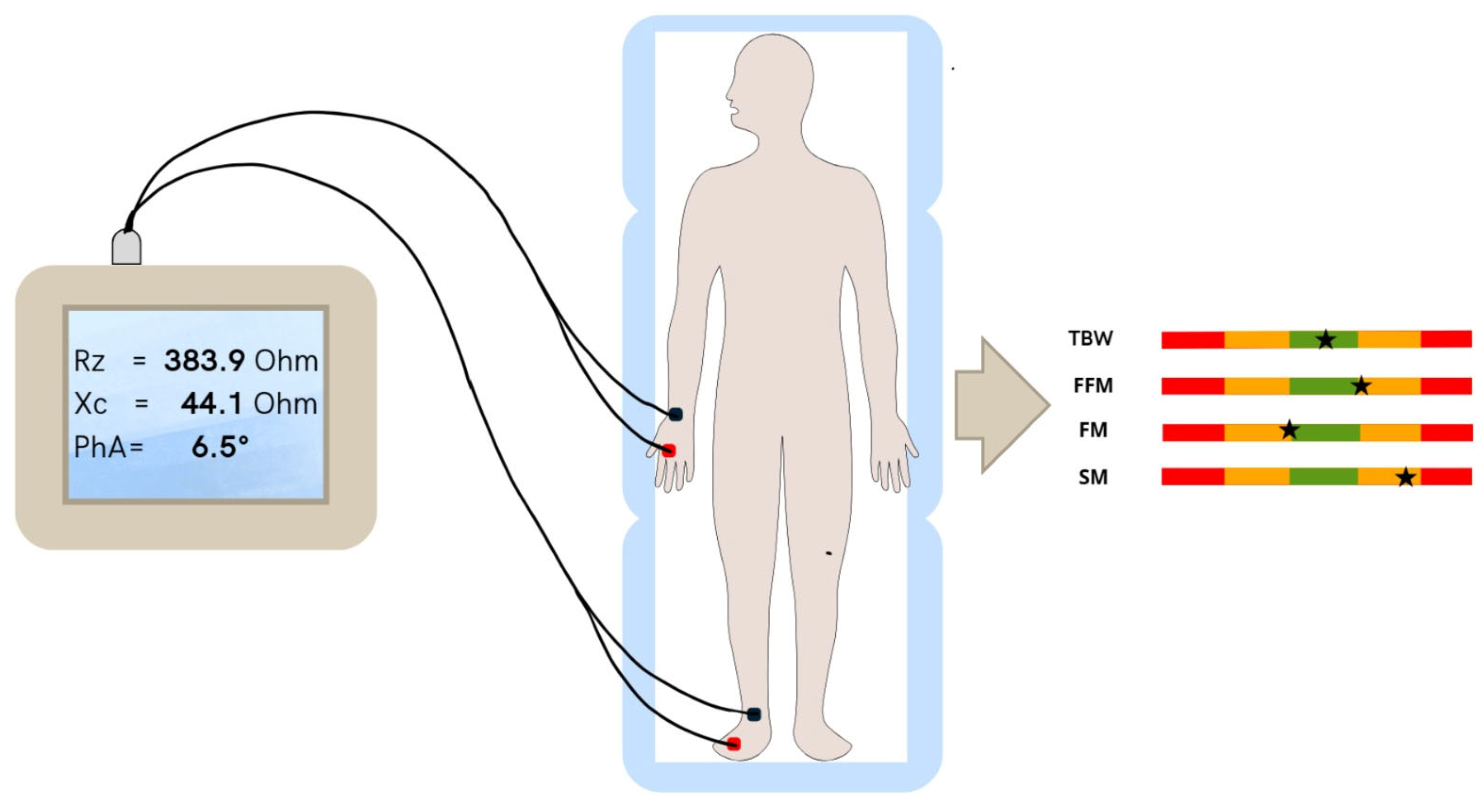
Many people are fascinated by the concept of bioelectrical impedance measurement, a non-invasive technique that helps individuals track their health and wellness. The key purpose of this method is to measure the resistance of the body to a small electrical current, providing valuable insights into body composition and hydration levels.
This technology has numerous benefits for everyday life, particularly in the fields of sports and fitness. For instance, athletes can use bioelectrical impedance measurement to monitor their muscle mass and body fat percentage, allowing them to adjust their training and nutrition plans accordingly.
In addition to its applications in sports, bioelectrical impedance measurement can also be used in clinical settings to diagnose and monitor various health conditions, such as malnutrition and dehydration. By providing accurate and reliable data, this technique can help healthcare professionals make informed decisions about patient care.
Must Read
To explore bioelectrical impedance measurement on their own, readers can start by investing in a bioimpedance analyzer, a device that is readily available in the market. They can also consult with a healthcare professional or a registered dietitian to learn more about the benefits and limitations of this technique.
Some simple tips for using bioelectrical impedance measurement include ensuring proper hydration before taking measurements and avoiding metal objects that can interfere with the electrical current. By following these tips and using this technology regularly, individuals can gain a better understanding of their body composition and make informed decisions about their health and wellness.