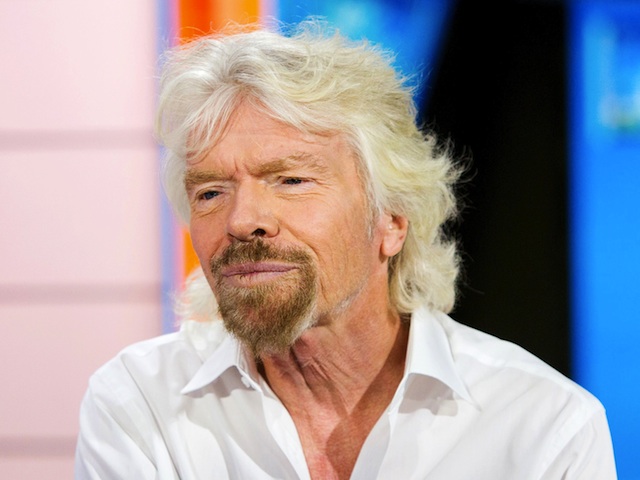
Richard Branson: How Did A High School Dropout Become A Billionaire?

Stories of self-made billionaires captivate us because they shatter the myth that success requires a perfect pedigree. We love these tales because they offer a blueprint for d...
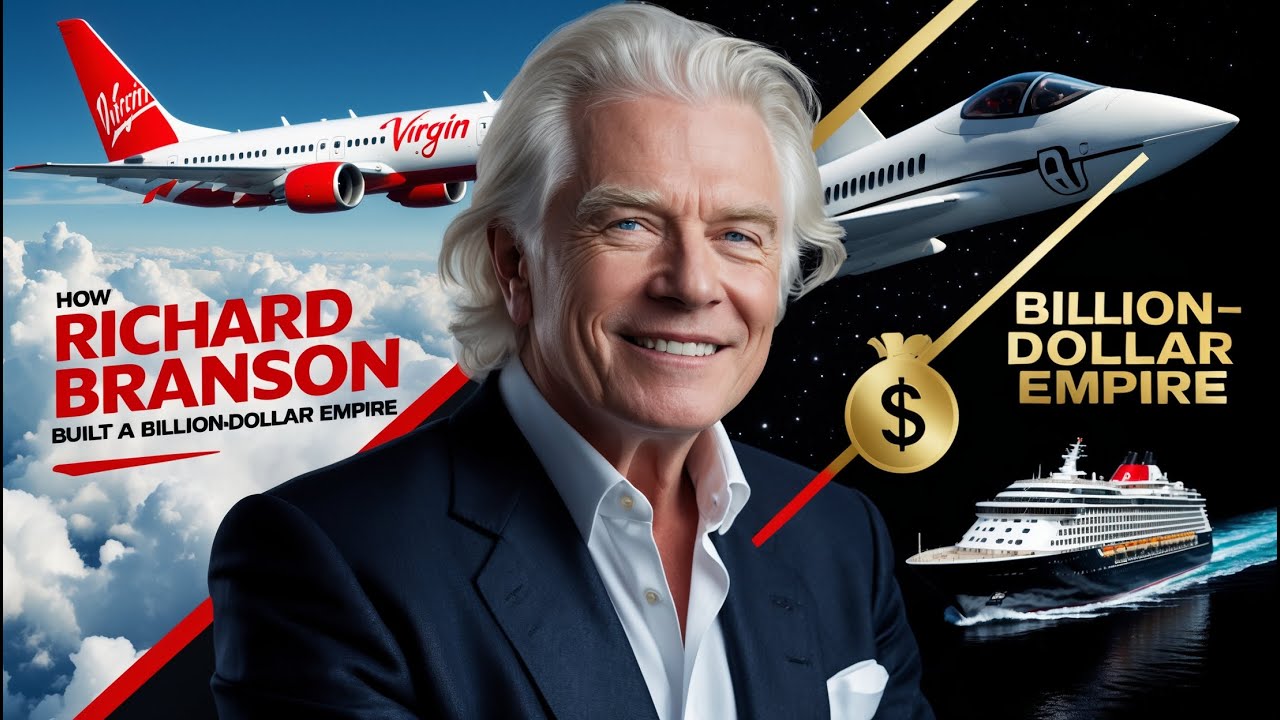
Stories of self-made billionaires captivate us because they shatter the myth that success requires a perfect pedigree. We love these tales because they offer a blueprint for defying the odds, proving that resilience and vision can outweigh formal credentials. Richard Branson’s journey from a struggling high school dropout to the founder of the Virgin Group is perhaps the most compelling example, showing how embracing failure and relentless curiosity can build an empire.
At its core, Branson’s story serves a key purpose: to demonstrate that real-world problem-solving often matters more than academic achievement. For everyday life, this means we can stop feeling trapped by our past mistakes or lack of a degree. When Branson launched Student magazine at 16, he wasn’t following a syllabus—he was filling a gap he saw in the market. His first major venture, Virgin Records, came from a simple insight: young people wanted cheaper, more exciting music. This focus on listening to customers and acting fast is a skill anyone can practice.
Consider a common scenario: you dream of starting a small business but fear you have no formal training. Branson’s life offers context. He couldn’t read a balance sheet at first, but he hired people who could. He launched an airline—Virgin Atlantic—after a single frustrating flight on another carrier. His secret? He ignored the risk of embarrassment and focused on what he could learn from each setback. This teaches us that decisive action based on passion often outpaces cautious perfectionism.
Must Read
Another benefit of studying Branson is his approach to personal wellbeing. He famously works “a few hours a day” but maximizes those hours by delegating tasks he dislikes and prioritizing family. For everyday life, this principle is transformative: success isn’t about working yourself to exhaustion. Branson believes that happiness and health are the true foundations of wealth. He starts his mornings with exercise and time with loved ones, a routine that fuels his creativity.
 Richard Branson Studentenmagazin
To explore this mindset on your own, try these simple tips. First, reframe failure as data. When a project flops, ask, “What did this teach me about what customers want?” Second, delegate your weaknesses. Identify tasks you hate and hire or trade help to free your time for what energizes you. Third, take a “Branson leap” today: write down one small idea you’ve been avoiding, and commit to one tiny step—like sending an email or making a prototype—within 24 hours.
Ultimately, Branson’s billion-dollar empire was built not on grades, but on curiosity and courage. His story reminds us that the most valuable education often happens outside the classroom, driven by a willingness to try, fail, and try again. Whether you are launching a blog, a local service, or a global brand, his example proves that your starting point does not define your finish line.