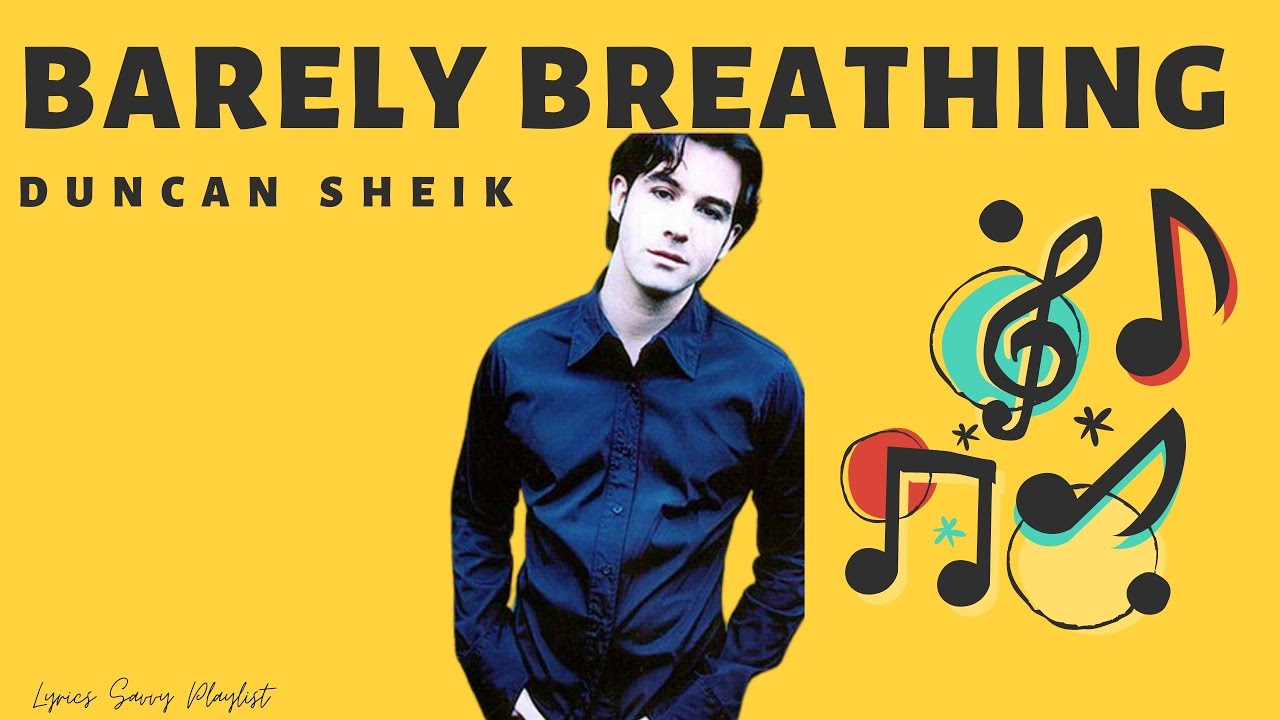
Duncan Sheik’s Biggest Songs And Broadway Works: From “barely Breathing” To Spring Awakening

Welcome to the wonderfully quirky world of Duncan Sheik, the singer-songwriter who gave us the ultimate ‘90s slow-dance anthem and then totally reinvented himself on Broadway....
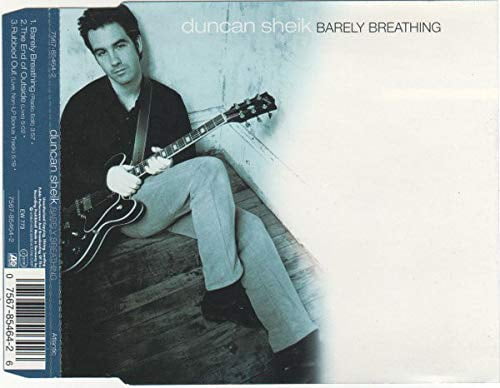
Welcome to the wonderfully quirky world of Duncan Sheik, the singer-songwriter who gave us the ultimate ‘90s slow-dance anthem and then totally reinvented himself on Broadway. If you love a good plot twist in music, you’re in for a treat. This article will show you how one guy went from agonizing over a lost love in a hit single to winning Tonys for a rock musical about repressed teenagers. The advantage? You’ll discover a master of mood—perfect for curating playlists that make you feel deeply, whether you’re driving alone or hosting a theater-themed dinner.
Let’s start with the obvious: “Barely Breathing.” Released in 1996, this song is a tortured masterpiece of acoustic guitar and layered harmonies. Its genius lies in the contradiction—the music feels gentle and breezy, while the lyrics are pure, desperate obsession. Sheik didn’t just write a hit; he crafted an emotional trap that still floods radio stations and high school reunions with yearning. Fun fact: he wrote it in about an hour!
But Sheik wasn’t content being a one-hit wonder. He dove headfirst into the theater, and in 2006, he revolutionized Broadway with Spring Awakening. This rock musical adaptation of a banned 1891 German play uses electric guitars and raw vocals to tell a story about teenage sexuality and suicide. It’s a daring collision of centuries: corsets and power chords, silent repression and screaming anthems. Songs like “The Bitch of Living” and “Mama Who Bore Me” feel like the diary entries of every confused teen, set to music that could top rock charts.
Must Read
For a creative idea, try a Duncan Sheik double-playlist. First, stack “Barely Breathing” with his other solo gems like “That Says It All” or “Half-Life.” Notice how every song feels like a small, cinematic scene. Then, switch to the Spring Awakening soundtrack. The shift is jarring—from delicate ballads to raw, angry rock—but it shows Sheik’s incredible range as a storyteller.
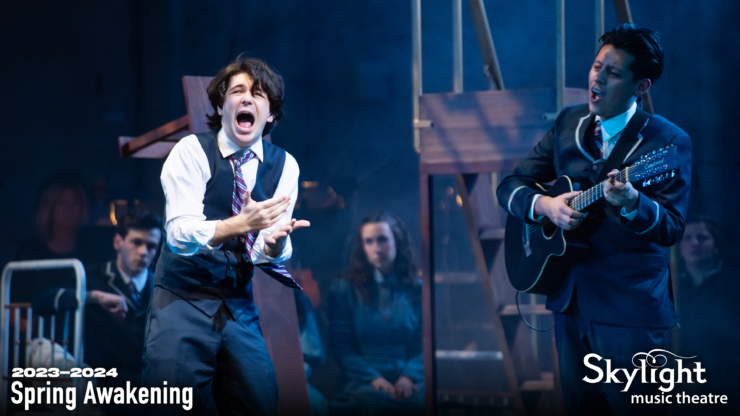 Spring Awakening | UngerDirect.com
Want to dive deeper? Practical tip: watch a live recording of Spring Awakening (the 2006 original cast version is on YouTube). Pay attention to how the actors move during the songs—the choreography is as intense as the music. Then, try writing a short scene or poem inspired by the contrast between Sheik’s quiet acoustic work and his loud theatrical anthems. You’ll see how one artist can teach you to balance softness and power in your own creative projects.
Finally, remember: Duncan Sheik is proof that you can reinvent yourself without losing your core. Whether you’re barely breathing through a heartbreak or awakening to a new passion, his music offers a soundtrack for transformation. So press play, turn up the volume, and let his melodies remind you that the best art lives at the intersection of vulnerability and rebellion.